
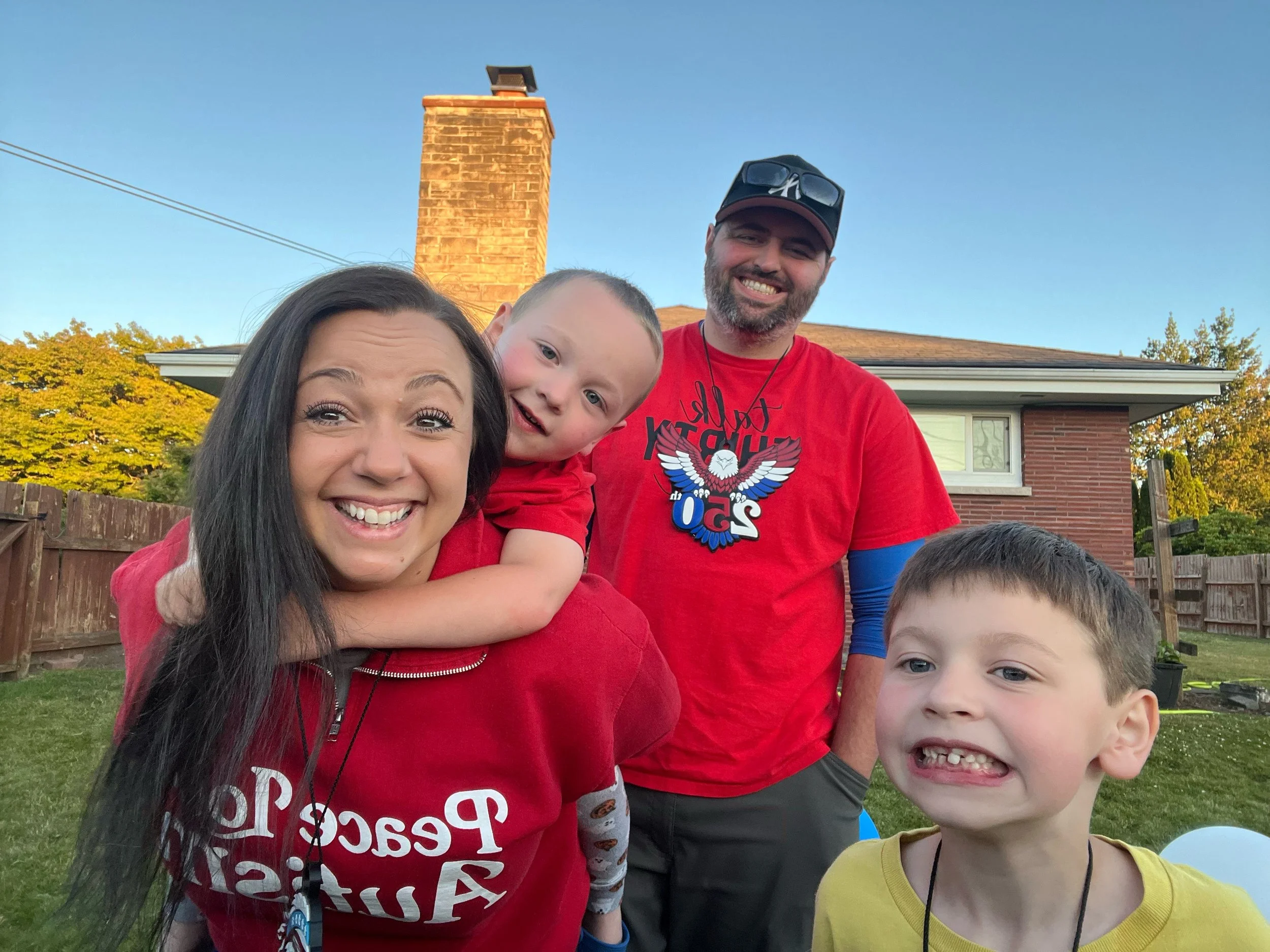
A mum of two tube-fed, autistic young sons says it like it is and celebrates every kind of childhood.
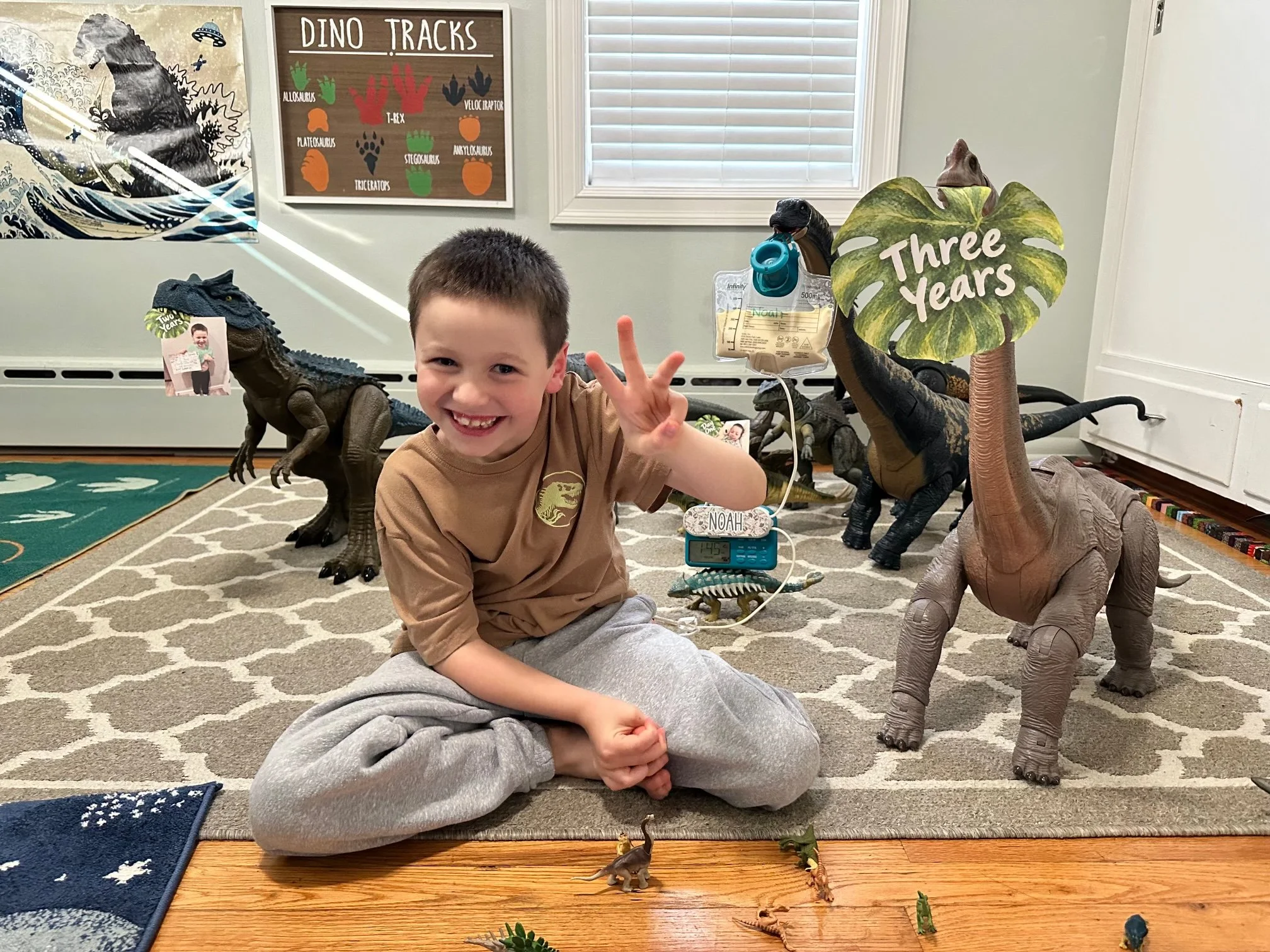
Tube-feeding found this Enumclaw, Washington-based family twice – and in two very different ways. For Noah, it was a slow build. By age four, a mix of food allergies, malabsorption and sensory symptoms of his autism diagnosis had made eating hard and often painful. Once his weight fell well below where a child his age should be, he got a gastrostomy (G) tube.
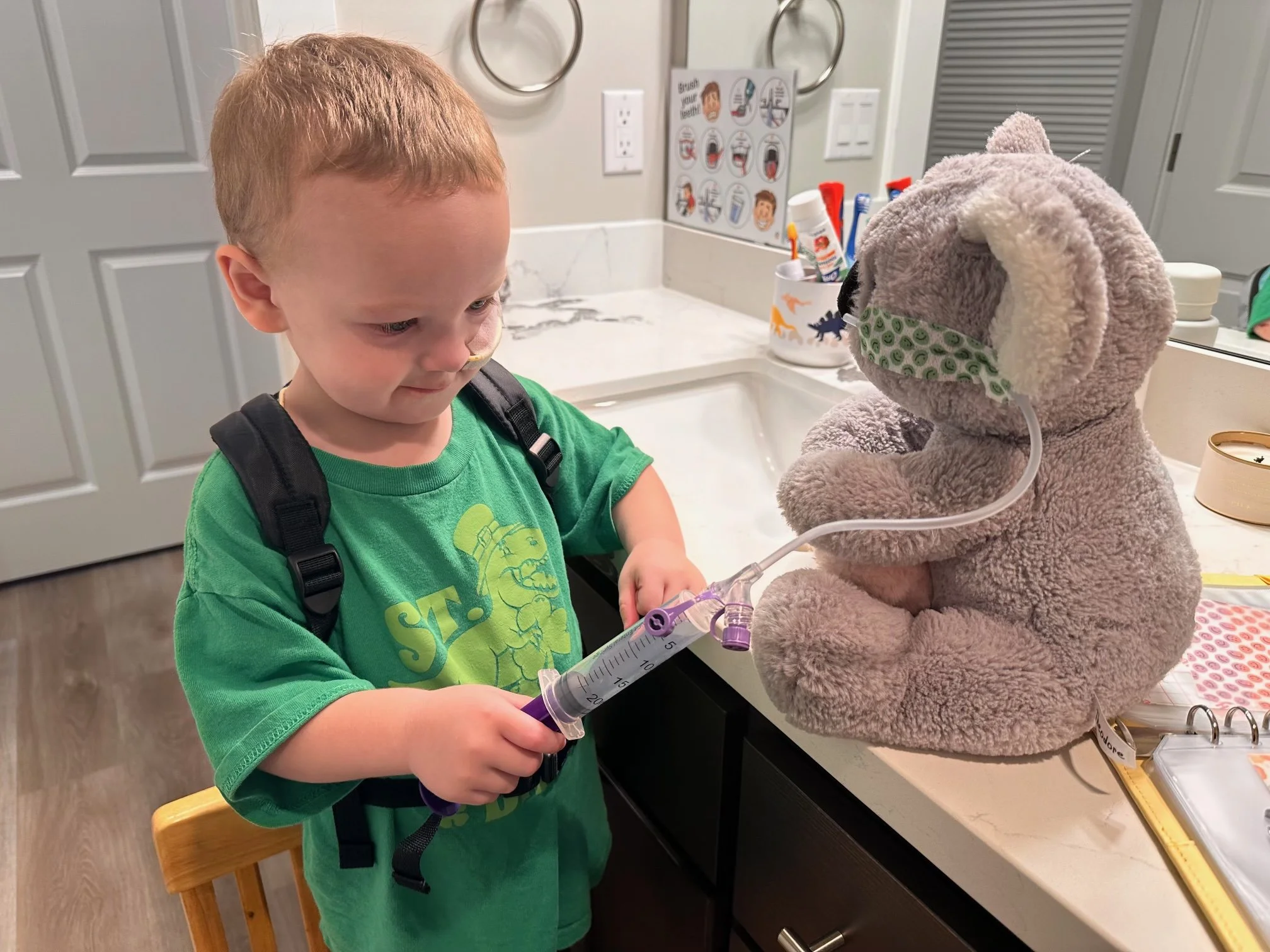
For Luka, things happened quickly. At age two, a medical emergency put him in a helicopter bound for a paediatric intensive care unit. Months of specialists, second opinions and uncertainty led to his rare diagnosis of eosinophilic gastroenteritis. Luka had a nasogastric (NG) tube placed, but after countless trips to the ER to have it re-inserted, he transitioned to a G-tube. Soon after, Luka was also diagnosed with autism.
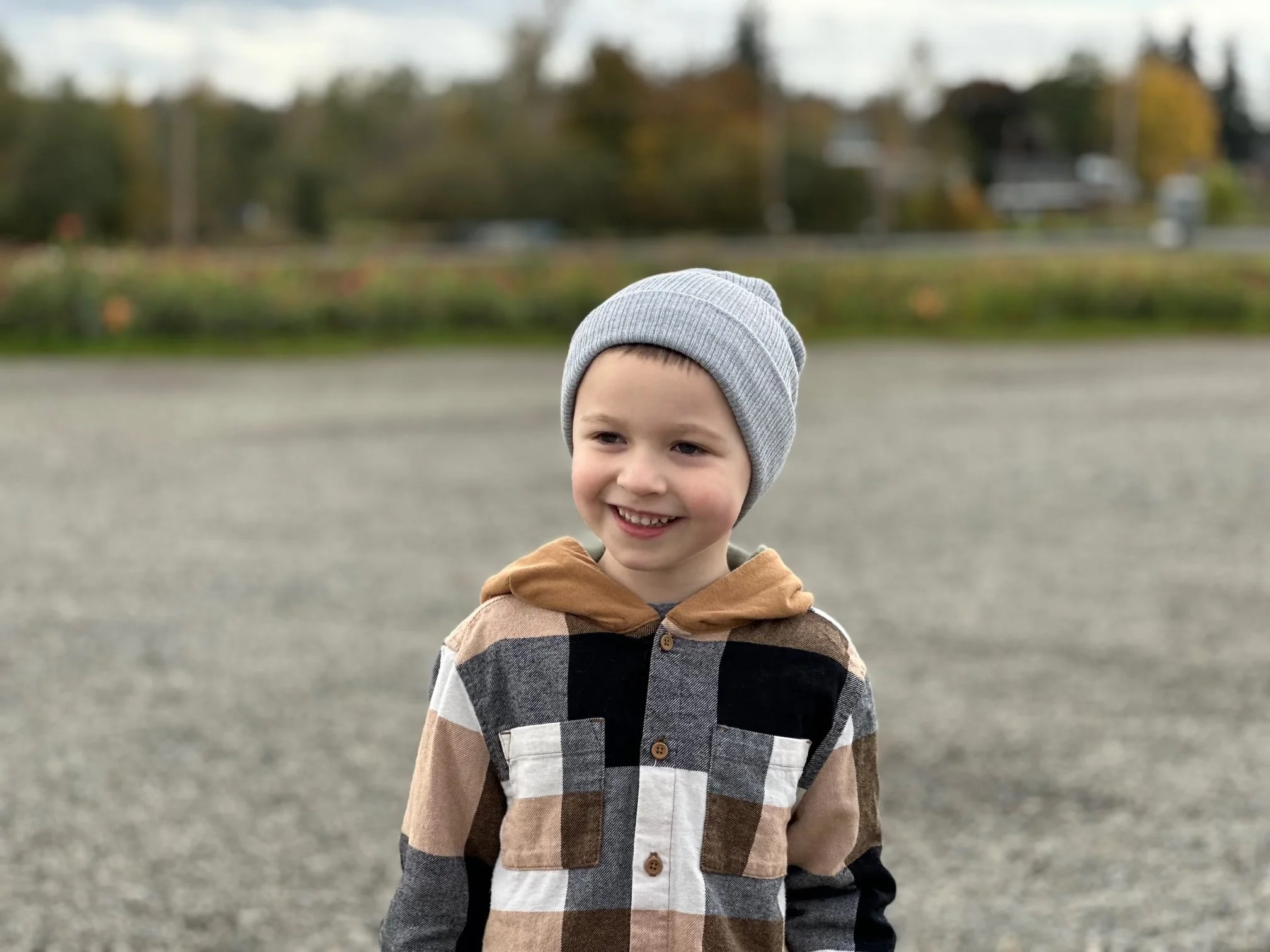
Noah is now seven, Luka is four and their mum, Rosie Belvedere, is their full-time carer and homeschool teacher. On social media, Rosie’s platform Tubie Thriving offers a glimpse into their life and celebrates sensory-friendly toys and resources, including her own tubie-inclusive colouring pages.
“Having two children who use feeding tubes has taught me that there isn’t one single story or reason behind needing one,” says Rosie. “Their journeys are different, and so are they.”
Here, Rosie shares what it’s like to parent two tube-fed, autistic kids in tandem. And why she wants every tubie family to know they belong.
What was going through your mind in the early days of tube-feeding Noah and Luka, and what do you wish someone had told you then?
In those early days, I remember feeling overwhelmed by how much there was to learn. I was trying to understand medical equipment, feeding schedules, diagnoses, appointments and what the future would look like for both of my boys. What I wish someone had told me is that it’s okay to have mixed emotions. You can be incredibly grateful that a feeding tube is helping your child while still grieving the feeding journey you imagined. You can love your child’s life exactly as it is and still find the medical side of caregiving incredibly hard.
Most importantly, I wish someone had told me that my children’s lives weren’t going to be defined by their feeding tubes. There would still be so much childhood, joy, play, learning and opportunity ahead of them.
Walk us through a typical day with your boys. Where do the two of them need very different things, and how do you juggle that?
A typical day in our house involves a lot of balancing! I’m a full-time caregiver and homeschool teacher, so our days include feeding schedules, medical care, learning activities, play, appointments and all the ordinary things that come with being a mum.
The boys are very different individuals. One might be ready to participate in an activity while the other needs quiet time or space. One might need visual supports to understand what’s happening next, while the other benefits from having fewer demands and a calm environment. What works beautifully for one might not work at all for the other.
Sometimes homeschooling looks like a planned activity, and sometimes it looks like learning through play or taking a break because regulation needs to come first. I’ve learned that flexibility is essential. Our days don’t always go according to plan, and that’s okay.
Caring is a full-time job – and you’re doing double-time! How do you look after yourself? And what advice do you have for other carers here?
Honestly, self-care looks very different for me than what people sometimes picture. It’s not always long baths, spa days, or uninterrupted time to myself. Sometimes it’s washing my face, doing my skincare, enjoying a coffee, or finding a few quiet minutes to do something creative.
I’ve also started finding ways to reconnect with parts of myself outside of being a caregiver. Beauty and skincare have become a little outlet for me, and creating content has given me something that is mine. It reminds me that I’m still a person with interests, creativity and dreams outside of my caregiving responsibilities.
I think caregivers can sometimes feel guilty doing things for themselves, especially when their children have complex needs. But I’ve learned that I don’t have to earn the right to take care of myself. I have to continually remind myself of that when the guilt tries to creep in.
My advice to other caregivers would be to start small and let go of the idea that self-care has to look a certain way. You don’t need to completely escape your responsibilities to do something that brings you a little joy. You deserve care, too.
Sensory needs can make feeding really hard. What have you learnt about how your boys experience things like pump noises, tube changes or feeding time? Is there a strategy, tool or routine that made a real difference you’d pass on to another parent?
One of the biggest things I’ve learned is that just because something is medically necessary doesn’t mean it’s automatically easy for a child to tolerate. Sounds, textures, unexpected changes, physical sensations and even knowing that something is about to happen can affect how our boys respond.
We’ve learned to pay attention to their individual sensory needs rather than assuming they will respond the same way. Preparation, predictability and a calm environment can make a difference. Visual supports, familiar routines and giving them opportunities to understand and participate in their care have been helpful. Sometimes the best thing I can do is reduce the demands around a difficult moment. Less talking, less stimulation and allowing space can be much more helpful than trying to push through.
One thing I’d encourage other parents to remember is that cooperation doesn’t always look like sitting still and happily participating. Sometimes success is getting through a necessary care routine while respecting your child’s sensory needs as much as possible.
Describe a really hard moment and how you got through it. What would you say to a parent who is in the middle of that moment right now?
Some of our hardest moments have been when the demands of medical care collide with our boys’ sensory needs. There are moments when I’ve had to put everything else aside and focus on helping my child feel safe. That might mean lowering the lights, reducing noise, giving them space, and waiting until they’re ready to try again.
As a parent, those moments can be emotionally exhausting. You’re trying to meet a medical need while also supporting a child who is communicating that something feels too overwhelming.
To the parent in the middle of one of those moments, I would say: you’re not failing. Your child isn’t giving you a hard time – they’re having a hard time. You don’t have to make the moment look pretty, and you don’t have to compare your experience to anyone else’s. Take it one moment at a time. Sometimes getting through the day is enough.
I think one of the hardest parts of our journey is that it isn’t something we’ve reached the other side of yet. With Luka, we’re still working to identify which foods trigger his gastrointestinal disease and how to safely navigate food trials.
Last year, we spent nine months working through a food trial only to find out that the testing process had been done incorrectly. That meant those nine months hadn’t given us the information we needed, and we had to take a step back and rethink how to move forward. It was incredibly difficult and felt like such a setback after all the time, effort and hope we had put into it.
There were moments when I questioned myself and wondered whether I had made the right decisions along the way, including the decision to move forward with his G-tube.
At the same time, we’re continuing to navigate Noah’s food allergies, malabsorption and sensory sensitivities, while working on feeding therapy and helping both boys build safe and positive relationships with food. I’ve had to learn that moving forward doesn’t always mean having everything figured out. Sometimes it means taking the next step, asking more questions, adjusting when something isn’t working, and giving yourself grace along the way.
You’ve talked about feeling overwhelmed and alone at the start. How did you find your community, and what did it give you? For a parent who hasn’t found theirs yet, where would you tell them to begin?
For a long time, I felt like I was navigating a world that not everyone around me understood. Finding the tubie community helped me realise that we weren’t alone. There were other families learning how to navigate feeding tubes, advocating for their children, celebrating milestones that might look different from other families’ milestones and working through the difficult days.
That sense of understanding is incredibly valuable. Sometimes you don’t need someone to fix anything. You just need someone who understands why something that might seem small to another person is actually a really big deal. That desire for connection became part of why I started Tubie Thriving.
For someone still searching for their community, I’d encourage them to start with other families who understand their child’s medical journey. Online communities and social media can be wonderful starting points. You don’t have to share everything publicly, either. Sometimes simply finding people who make you feel less alone is enough.
How did your tubie-inclusive colouring pages come about? And why was Tubie Thriving a platform you needed to create?
The colouring pages came from wanting our boys to see themselves represented in the things children get to enjoy. So much of the medical world can feel clinical, and children who use feeding tubes don’t always see themselves represented in everyday activities, toys, books or creative resources. I wanted to change that in a small way. What if a child could pick up a colouring page and see a feeding tube represented naturally, just like any other part of a character?
I want the pages to be welcoming to all children and families, whether they use a feeding tube themselves, know someone who does, or simply enjoy colouring. Representation matters, but I also don’t want every activity to be about medical needs. Sometimes children just want to colour a dinosaur or celebrate a holiday.
The reactions and encouragement from the tubie community have meant so much. My hope is that a child sees one of these pages and feels a little less different, or that a parent finds something that helps their child feel seen.
I initially created Tubie Thriving because, when Noah was preparing to get his G-tube, I struggled to find resources or connect with other families who had children with both autism and feeding tubes. Something that was especially helpful for Noah before his surgery was seeing a video online of another little boy after his G-tube placement. Seeing a real child and what the experience could look like helped him understand what was coming in a way that words alone couldn’t.
After Luka’s medical emergency, I had to step back from Tubie Thriving for a while. Coming back to it, I’ve found that the purpose has grown. I want to create a welcoming space where children with sensory sensitivities, medical anxiety or difficult medical experiences can explore some of these things through play, creativity and representation at their own pace. I also hope to help caregivers feel less alone.
At the heart of it, though, I think it comes down to my boys. I want them to grow up knowing how deeply loved they are and that their mum and dad believe in them, no matter what their lives look like or how they receive nutrition.
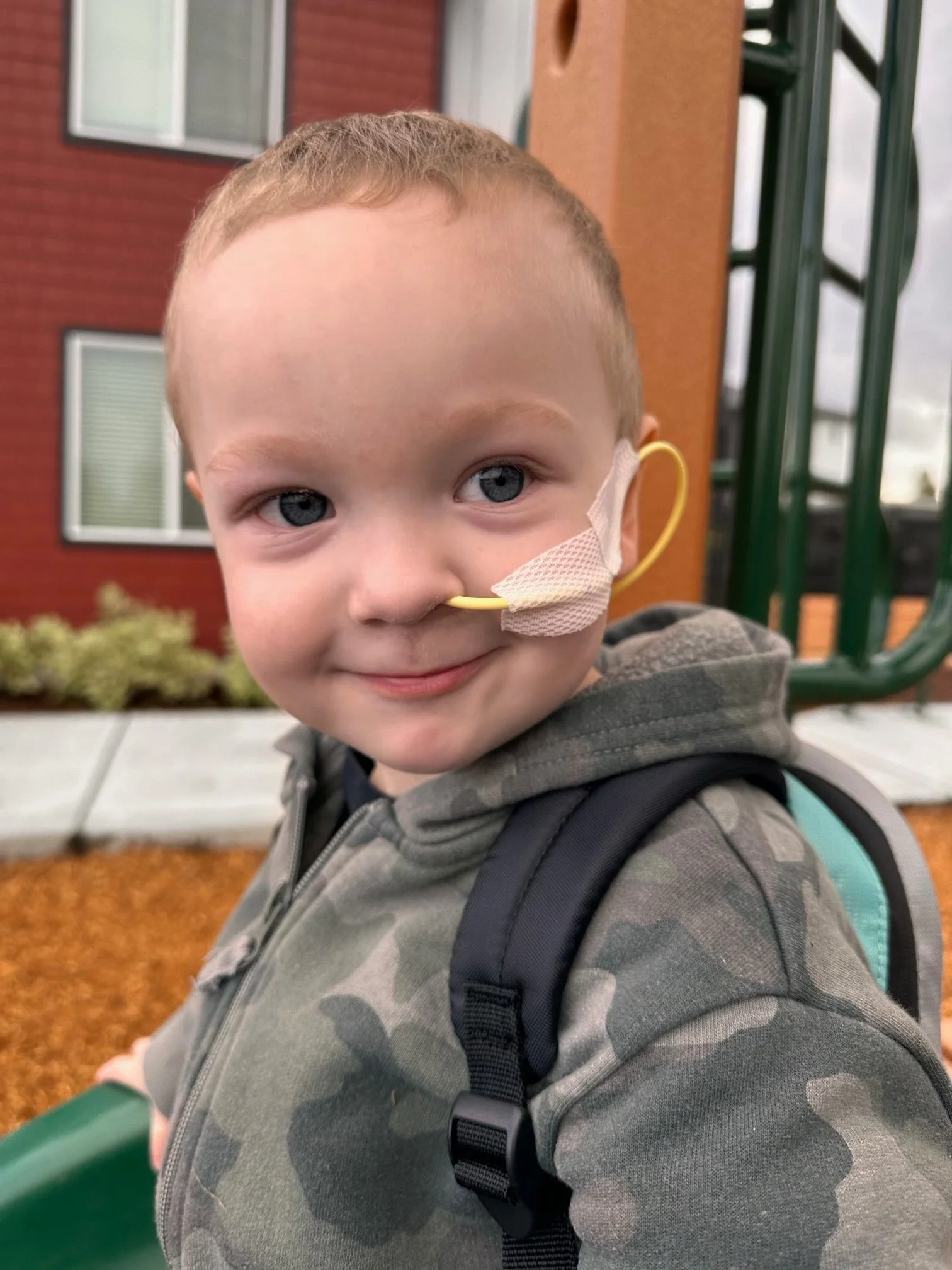
You mentioned the little wins that mean the world to your family. Can you share a few?
I think becoming a caregiver to medically complex children changes how you measure milestones. A successful medical care routine, a day when something that was previously overwhelming feels a little easier, a new communication skill or a moment when one of the boys feels comfortable enough to try something new can mean the world.
I also love seeing their personalities shine through: their interests, their humour, the things that make them excited and the little ways they show us what they love.
Some of our biggest wins are the moments when I get to step back and simply watch them be kids and the little moments of connection: shared smiles, laughter, creating something together, or those times when everyone feels settled and regulated.
Being able to turn something that is usually associated with medical care into something creative and fun, whether that’s a little project at home or a colouring page, feels like a win, too.
If a parent just starting out could take one thing from your story, what would you want it to be?
I would want them to know that their child’s life is not going to be defined by a feeding tube. There will be a learning curve and you might grieve the feeding journey you imagined – and that’s okay. But your child is still a child first. They deserve opportunities to play, explore, make friends, learn, be silly and experience all the little things that make childhood special. And you deserve support, too. You don’t have to have everything figured out and you don’t have to do it perfectly. You’re allowed to learn as you go. And if something isn’t working: pivot.
I don’t want to romanticise the difficult parts of this journey or pretend that every day is beautiful. Some days are incredibly hard. But I also don’t want the hard parts to take away from all the wonderful things that make our children who they are. At the heart of it, I want other families to know that they belong here, their children belong here, and there is room for every kind of childhood.