
Strength in Adaptation
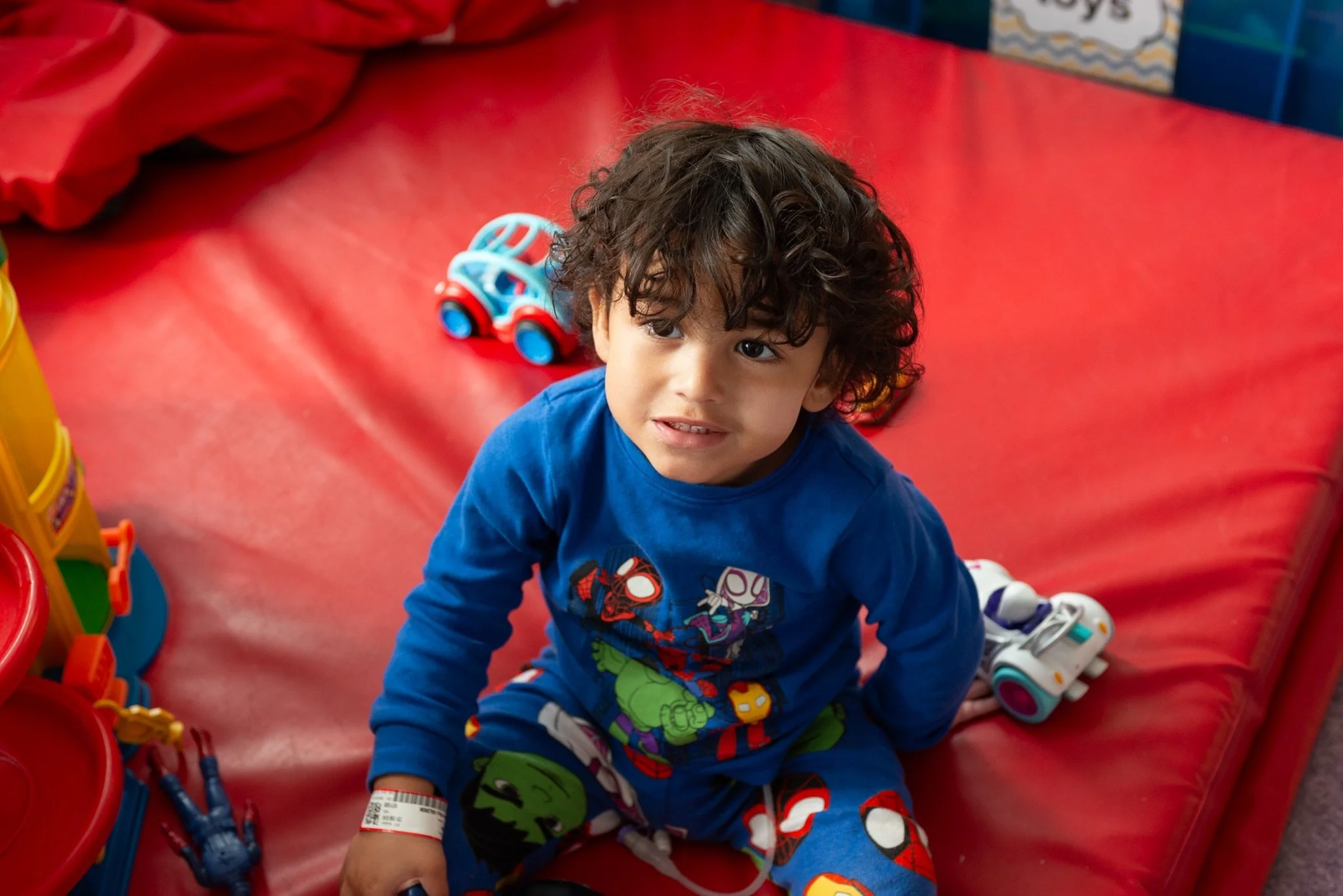
Photo credit: Manchester Foundation Trust Charity
Tube-feeding wasn’t part of HAYLEY EVANS’ plan. But for her family, it became essential. This is a story about ongoing uncertainty, newfound pride – and a deeper understanding of love.
My partner and I live in Greater Manchester with our two children. My daughter, who is seven, and my little boy, Marley, who is two. Life is beautifully chaotic in our home, filled with love, challenges, appointments, and lots of cuddles. It’s a life shaped by resilience, advocacy, and a deep kind of love you only truly understand when you’re walking it.
Marley has complex medical needs. These include epilepsy, severe gastro-oesophageal reflux disease (GORD), pharyngeal dysphagia, silent aspiration and significant respiratory problems. He’s been under the care of multiple specialists since infancy – and has endured more medical procedures, investigations and hospital admissions than most adults experience in a lifetime.
Some of those admissions were critical, involving high-dependency care and life-threatening events. For a long time, nothing fully added up, until it finally did.
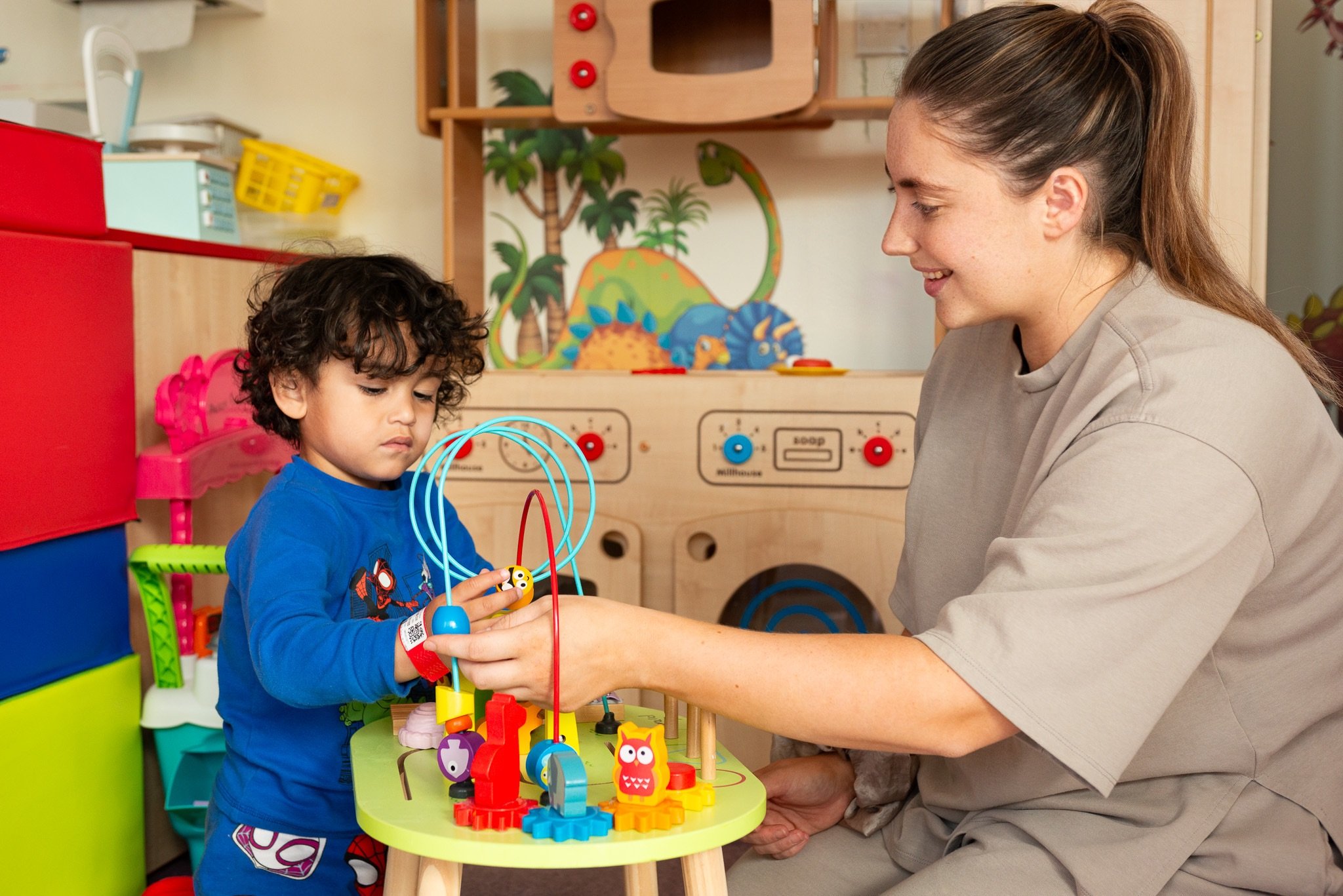
Photo credit: Manchester Foundation Trust Charity
Why tube-feeding became part of our life
For months, Marley suffered recurrent chest infections and respiratory distress with no clear explanation. Despite repeated admissions, we were still searching for answers. As his mum, I couldn’t shake the feeling that something was being missed. I pushed for a Speech and Language Therapy (SALT) review and, the moment we had this, everything changed.
Marley was diagnosed with pharyngeal dysphagia and silent aspiration, meaning food, drink, or secretions were entering his lungs without obvious signs. Feeding by mouth wasn’t just difficult, it was dangerous.
For Marley, tube-feeding wasn’t introduced because he couldn’t gain weight. It was the only way to keep him alive and protect his lungs.
From NG to PEG
We began our journey with an NG (nasogastric) tube. At first, it felt overwhelming and heartbreaking. Feeding had always been one of our most precious bonding moments, cuddling him close, settling him naturally to sleep. Tube-feeding changed that.
Suddenly, feeds were upright, timed, measured and clinical. I grieved the loss of that closeness, even while knowing we were doing the right thing.
As Marley’s primary day-to-day medical carer, I learned everything. I got across how to manage feeds, medications, pumps and, eventually, how to pass his NG tube myself so we didn’t have to call nurses out or rush to A&E in the middle of the night.
It all became second nature, born out of love and necessity.
But NG feeding was never meant to be permanent. After ongoing aspiration, severe reflux and repeated hospitalisations, Marley underwent surgery for a PEG (gastrostomy) and fundoplication. Today, he is entirely fed via his PEG.
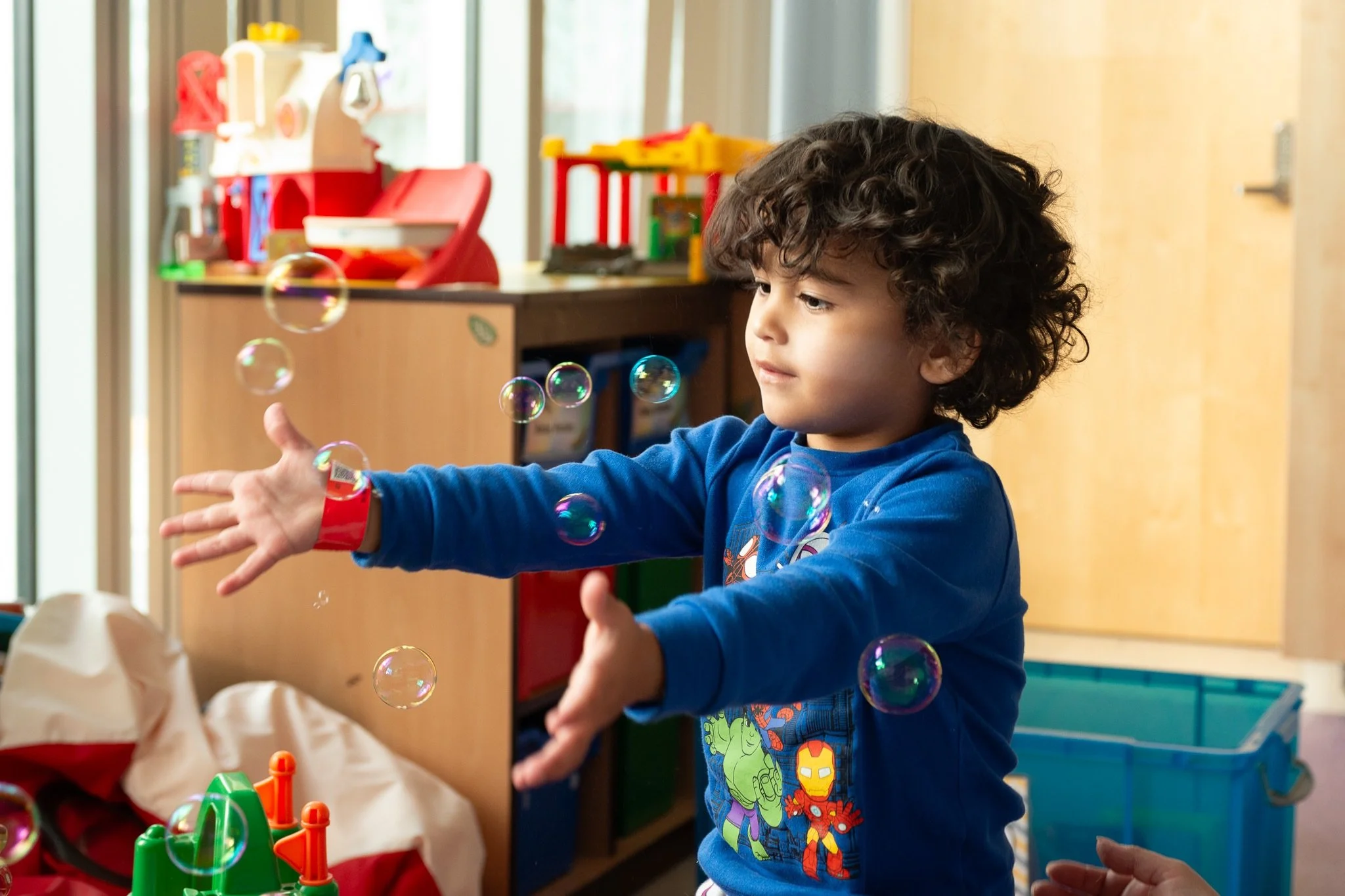
Photo credit: Manchester Foundation Trust Charity
Where we are now
Even after surgery, our journey hasn’t ended. Marley has trialled oral tastes under SALT guidance using the International Dysphagia Diet Standardisation Initiative (IDDSI) framework but, despite every precaution, he still silently aspirated, resulting in another high-dependency unit admission.
We’re now awaiting further investigations to determine whether gastrostomy feeding will be his long-term future. And while that uncertainty is hard, one thing is clear: the PEG has given him stability, safety and comfort. It has reduced risk, allowed his body to rest and given him the best possible chance to thrive.
The impact on our family
This journey hasn’t just shaped me, it’s shaped us. My daughter, who is autistic, has had to adapt to hospital stays, medical equipment and a brother whose needs are complex and unpredictable. As a family, we’ve faced emotional exhaustion, fear – and moments of deep uncertainty. But we’ve also grown stronger, closer, and more united than ever.
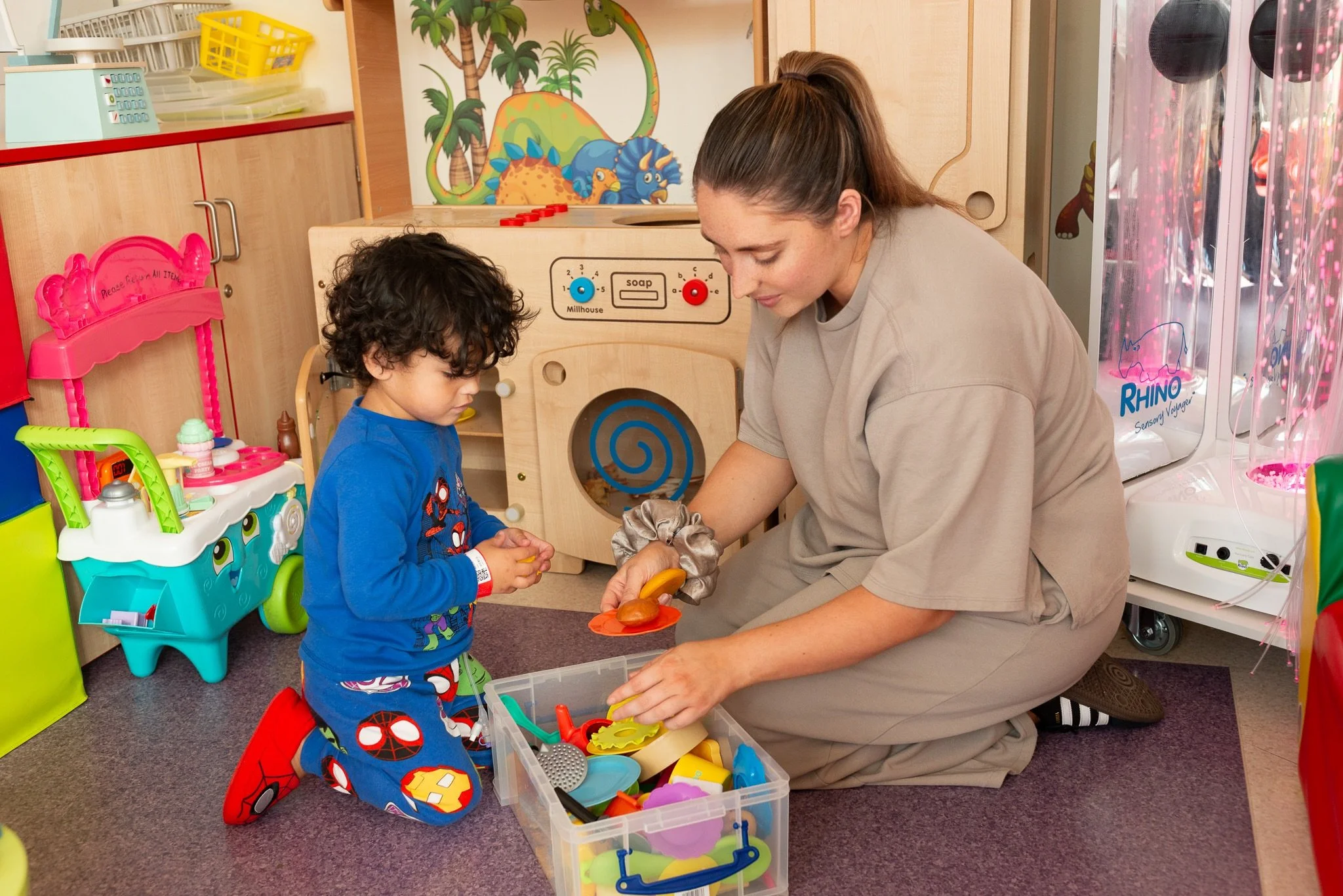
Photo credit: Manchester Foundation Trust Charity
What I want others to know
Tube-feeding is not a failure. It’s not something to fear or hide. It’s a life-saving, life-giving way of caring for children who deserve every chance to grow, love and shine in their own way.
As we mark Tube Feeding Awareness Week, I want families reading this to know they are not alone. This path can feel isolating, overwhelming and endless but there is beauty here, too. There is strength in adaptation, pride in advocacy – and so much love woven into every feed.
We are incredibly proud of how far Marley has come. Our journey hasn’t been easy but it has been powerful. And we’re still riding the wave, together.
A poem for Marley
Marley is strong.
He is resilient.
He is happy, affectionate, and full of love.
He is not defined by tubes, machines, or diagnoses.
He is amazing.