
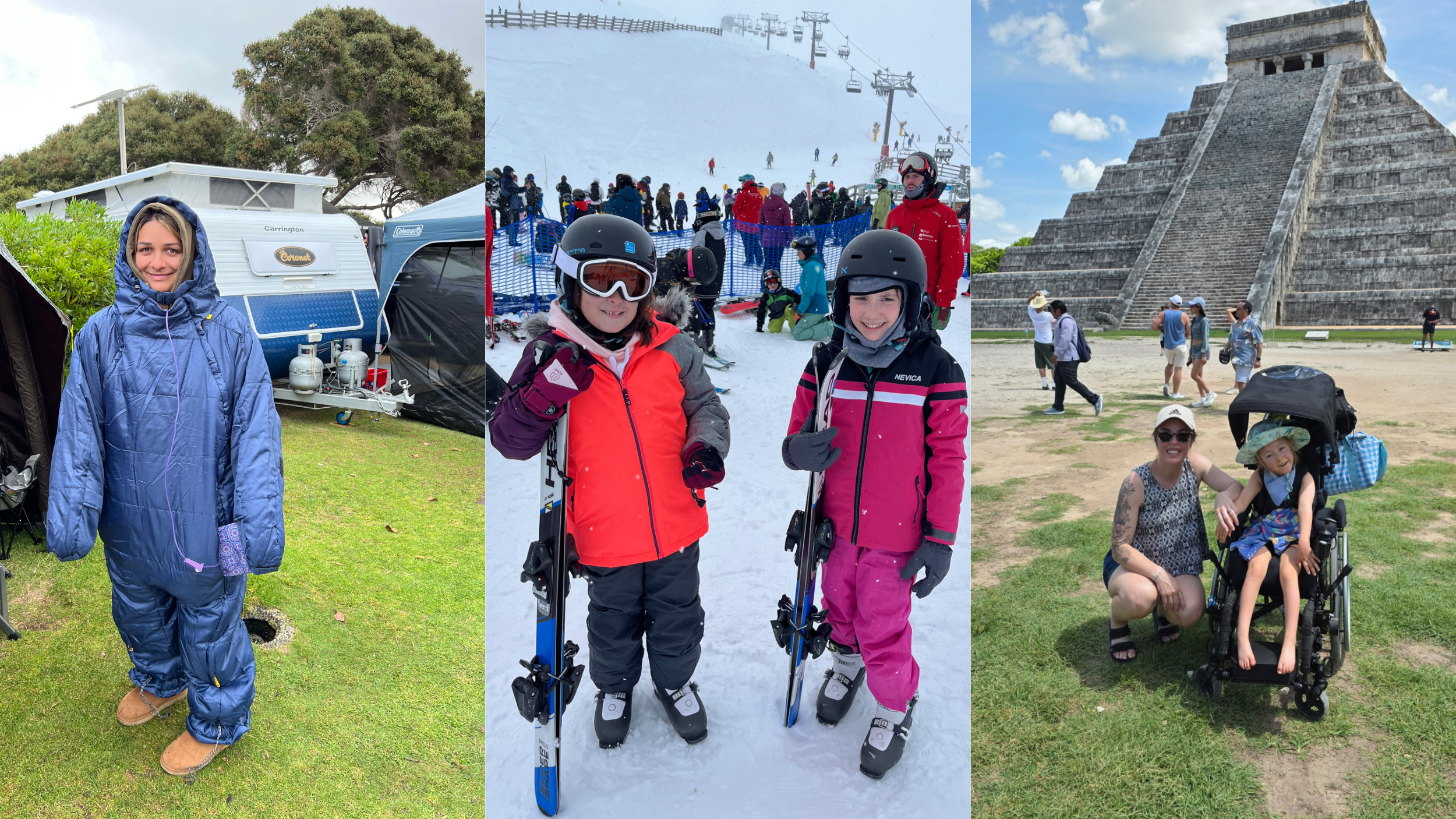
Feeding tubes, TPN lines and cleverly packed carry-ons. Turns out medical complexities don’t have to cancel the holiday.
Medical baggage. It’s something our community carries figuratively and, when it comes to travel, very much literally.
Once a tangle of tubes and a mountain of medical supplies enter the scene, leaving the house seems an impossible task, let alone venturing further. But as these three stories prove, with the right nutritional support, the skies can be the limit.
Between them, they’ve skied the Alps, swum through Mexican cenotes and bungee-jumped in Queenstown – all with feeding tubes, central lines and nutrition support needs in tow.
Here’s how they make it happen and their advice for how you can, too. Bags packed? Let’s go.
“Anything is possible”
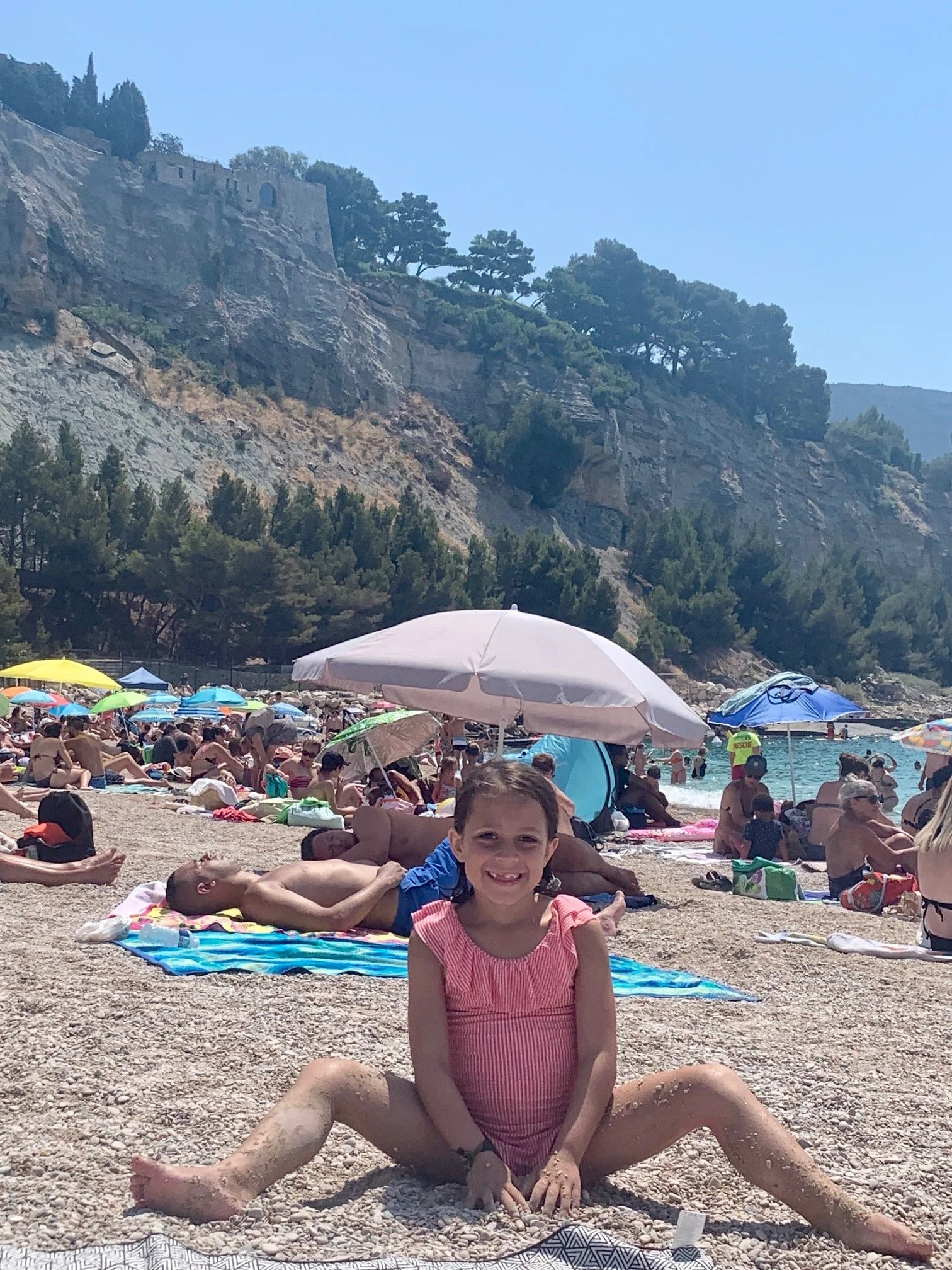
Silvia enjoying the beach in Marseille, France
Silvia was just four when she first flashed her passport, travelling to New Zealand with her parents while on total parenteral nutrition (TPN). Born with a closed gastroschisis, Silvia lost around three-quarters of her intestines. Her early years were spent in and out of Sydney Children’s Hospital undergoing multiple surgeries and procedures, including the STEP [surgical bowel-lengthening] procedure.
Silvia had both a stoma and central line until she was four and a half. Her mum, Beatrice, pushed hard from the NICU onward to keep Silvia feeding orally, determined she wouldn’t lose that reflex. And it worked.
Today, 15-year-old Silvia is tube-free and midway through year nine, loving drama, art and music. “She’s a bit on the smaller side – she’s just over five foot – but she’s doing great,” says Beatrice. “She’s living a very normal life. It’s actually quite extraordinary.”
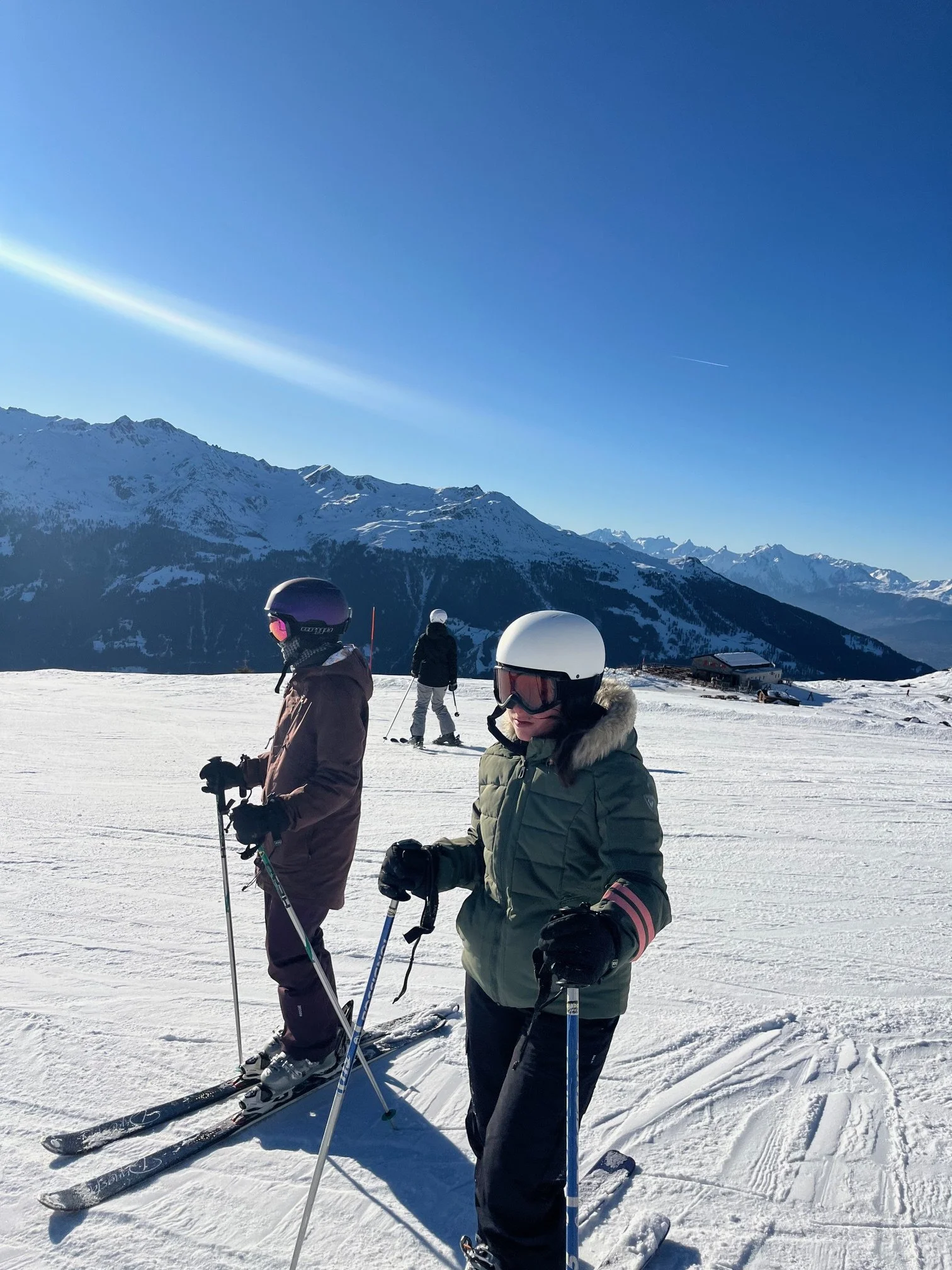
Silvia (right) and her sister, Audrey, ski on the Swiss Alps
Since that first trip, Silvia has honed her skiing skills down slopes in New Zealand, Japan, Switzerland, France and Australia. “We’ve been skiing all around the world. She does tire more quickly than her sister but she’s a very good skier. She loves it on a sunny day, when she’s got friends with her.”
Fresubin® nutritional supplements help keep Silvia hydrated throughout her busy schedule, both travelling and at school. She drinks Frebini Energy drinks – banana and strawberry flavour are her favourites – to boost her calories.
“She typically has three to four Frebini drinks a day – one or two in the morning and a couple after school,” says Beatrice. “It’s easily absorbed, and she gets that extra nutrient top-up.”
On a recent trip skiing through Switzerland and France in minus 15 degrees, Beatrice is certain that these drinks are what kept Silvia going all day, every day.
Behind the family’s easy confidence is a colossal amount of planning. For a month-long trip through Europe, they packed enough Frebini drinks to last the whole holiday. They also used luggage-forwarding services in Switzerland and Japan to send formula, skis and suitcases ahead to their next stop — freeing themselves up to travel light in between.
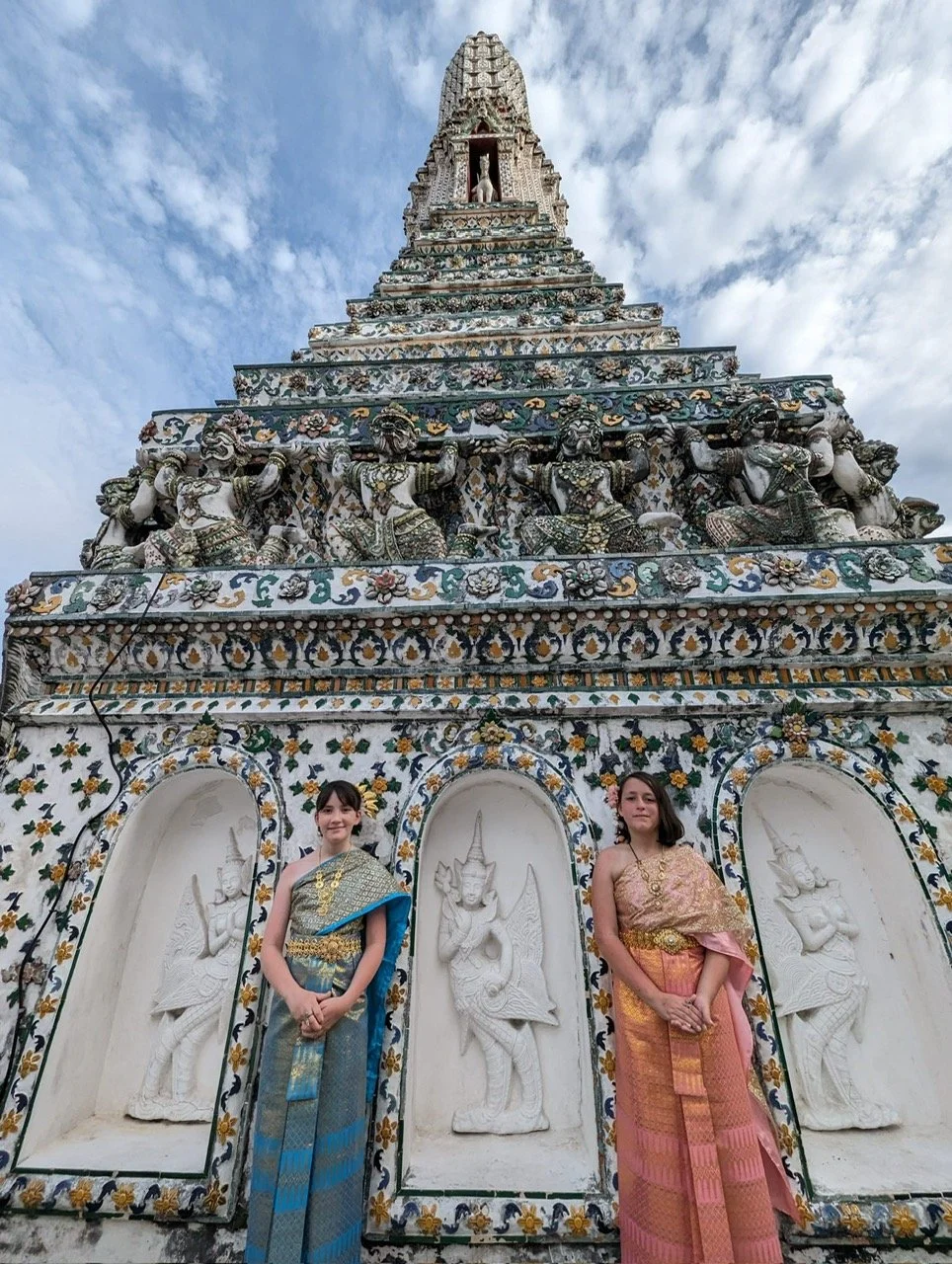
Silvia (right) and Audrey in Thailand
While medical letters accompany their every move, Silvia’s supplies get split across each of the family’s suitcases and carry-on. “That way, you never end up in a position where you don’t have any,” Beatrice says.
Her advice to other parents packing for a first international trip?
“The most important thing is making sure you’ve got your very specialised medicines packed safely. Every other kind of medicine you might need is pretty replaceable,” she says. “I think these days, anything is possible if you’ve got good letters from your doctors and good scripts. People are pretty helpful.”
Frebini Energy Drink is a Food for Special Medical Purpose and has been prescribed by Silvia's Healthcare Professional.
“It’s not all or nothing”
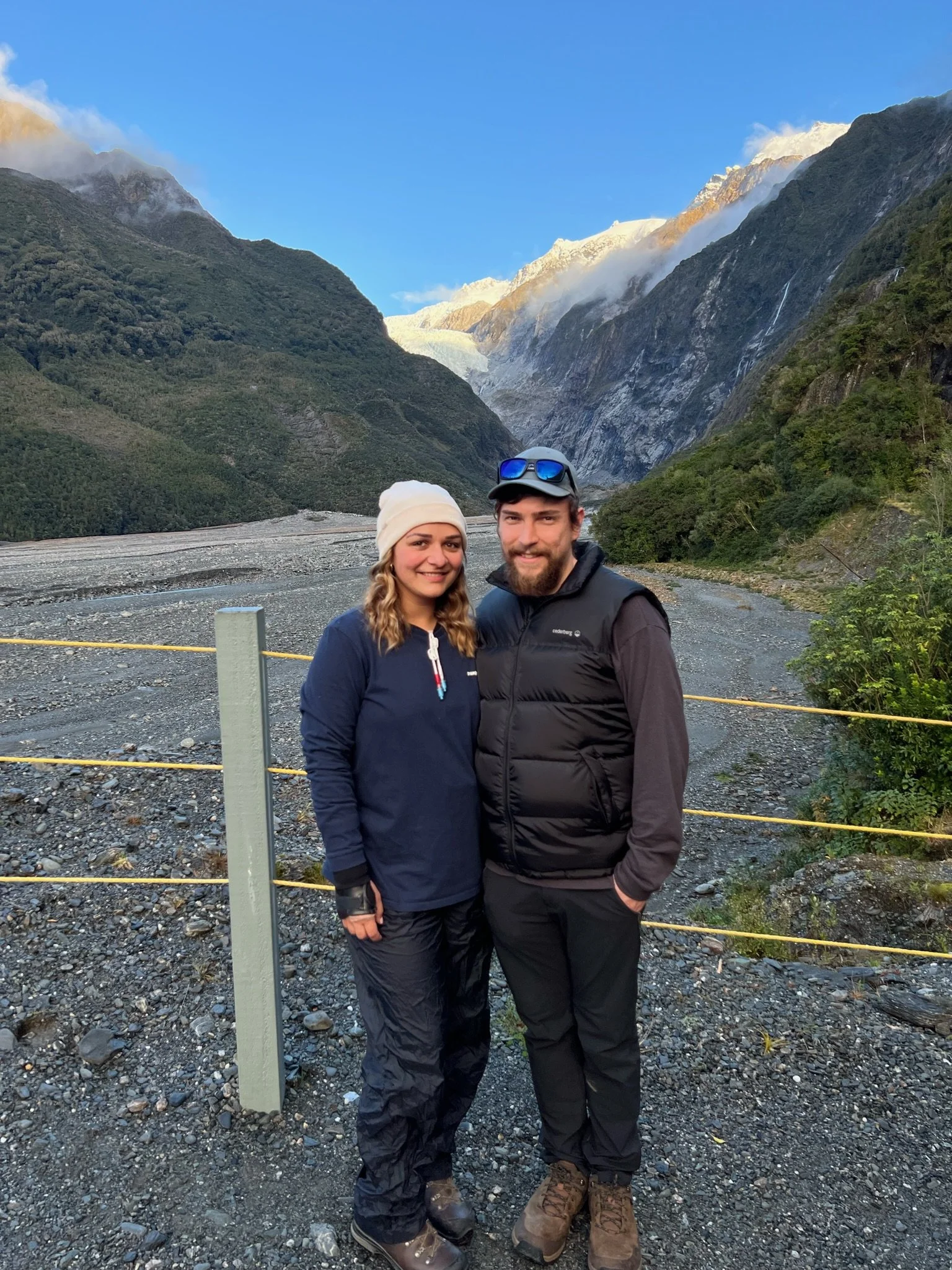
Hannah and her husband, Josh, in New Zealand
We caught up with Hannah Dawson, a teacher living in Melbourne, just days before she accompanied her year 11 class on school camp.
The 27-year-old is unfazed by this prospect, despite living with gastroparesis and several connected conditions – autoimmune autonomic ganglionopathy, Ehlers-Danlos syndrome (EDS), mast cell activation, postural orthostatic tachycardia syndrome (POTS), and a gut motility disorder – that make getting enough nutrition a daily challenge.
She and her husband, Josh, camp regularly in Anglesea and The Grampians, packing daily medical kits into labelled zip-lock bags and improvising equipment – including a weighted walking cane repurposed as a mini IV pole.
“Doing a sterile procedure in a tent in the dark with a torch in between my teeth – it is a lot,” Hannah admits. “But we find ways to make it work so I don’t miss out.”
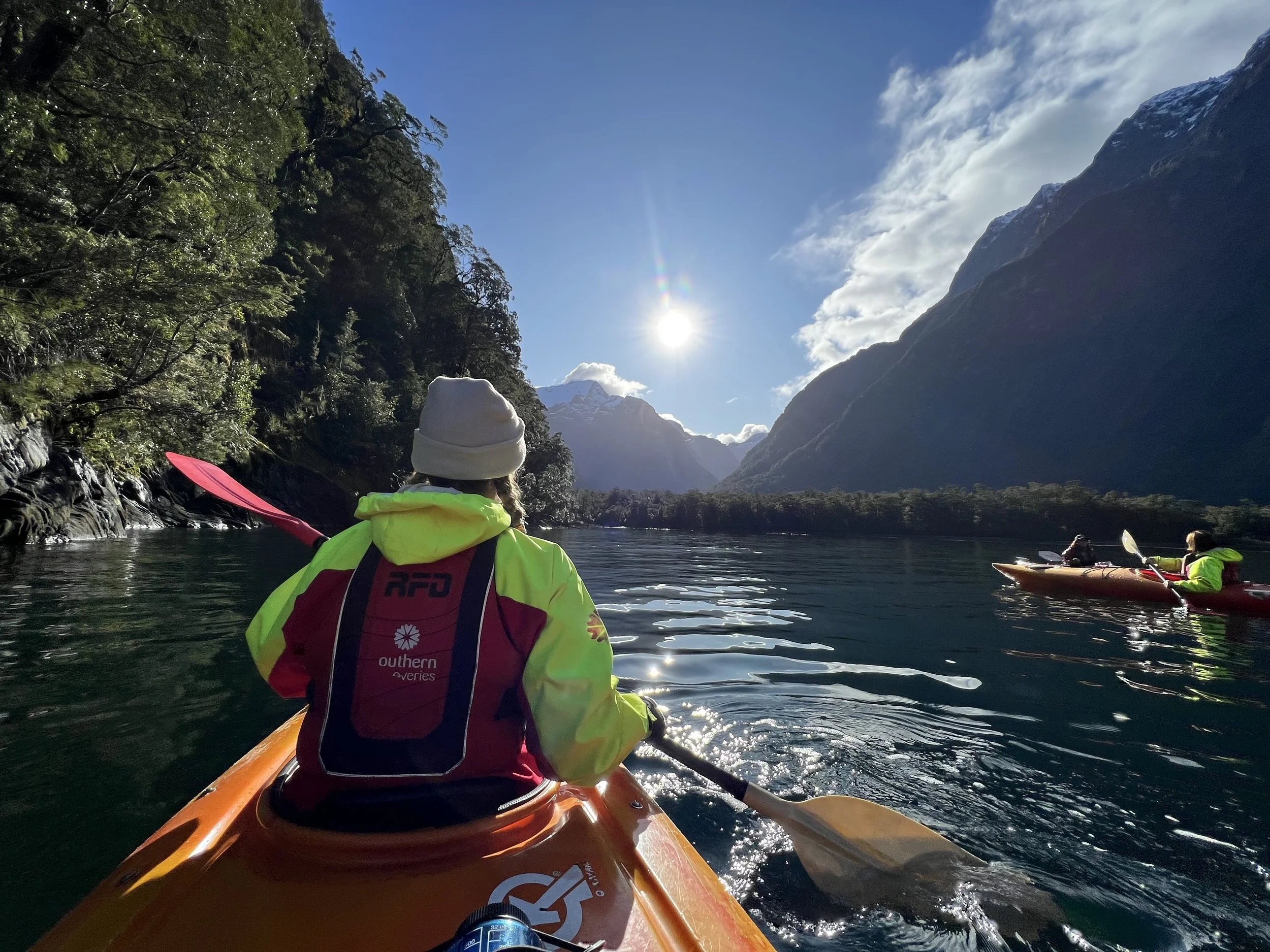
Hannah kayaking in Milford Sound, New Zealand
After becoming chronically unwell in her late teens, Hannah has moved between TPN and every kind of feeding tube. She currently relies on a jejunostomy (J) tube with an elemental formula after struggling to tolerate other options due to allergies.
“Some days I might eat some chicken and some potato and things that I know are safe foods,” she says.
“Other days I might just have tea, juice, milk, and not really any solids. If there’s more than one or two days back-to-back that are really severe, then I lean on my J-tube feeds so that I’m not so depleted.”
Hannah has found hacks to help her safely explore the great outdoors. One example is the sleeping bag onesie her mother-in-law bought her, which she took camping along The Great Ocean Road.
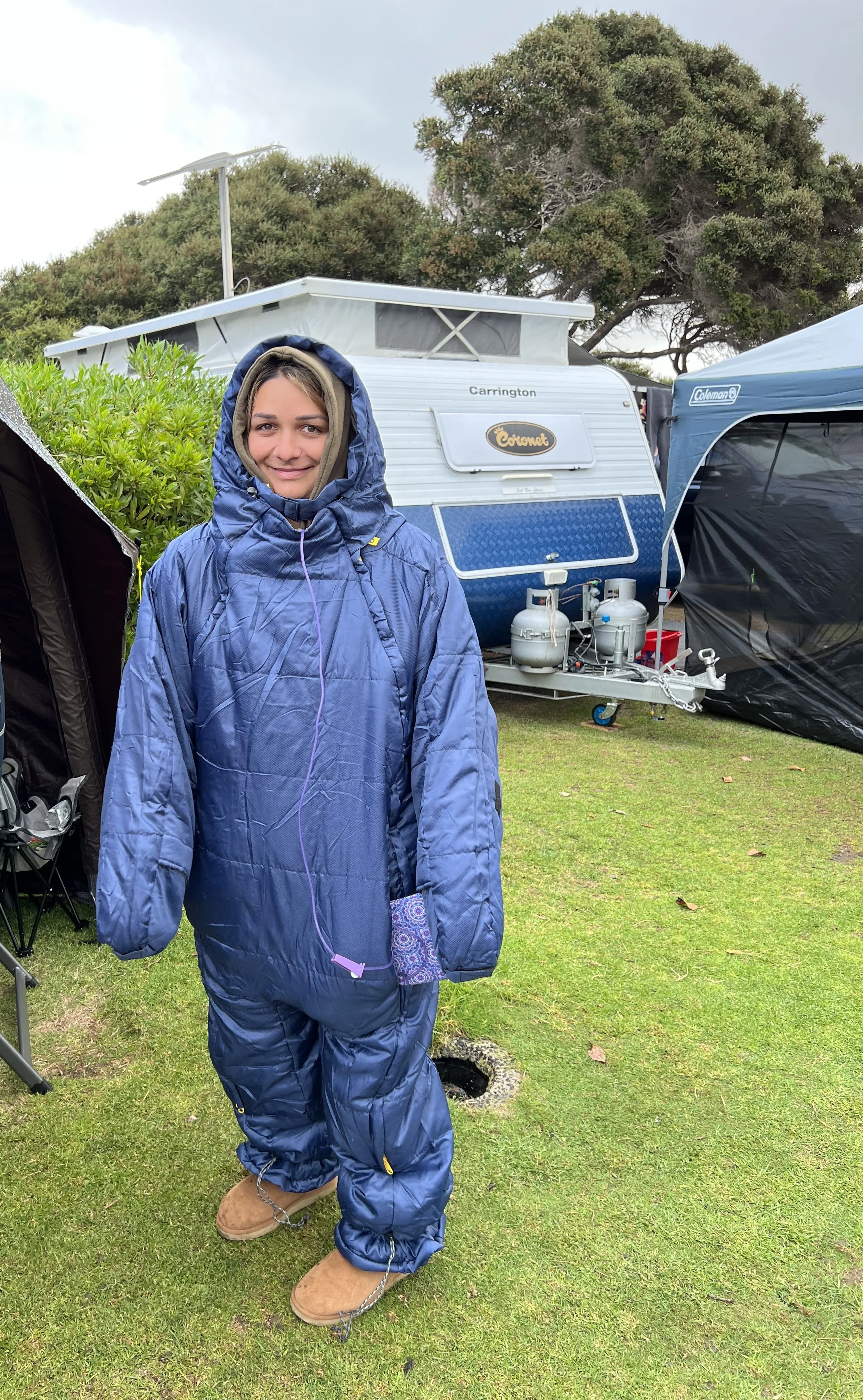
Hannah in her sleeping bag onesie, camping on The Great Ocean Road
“I fed my tube feeds through the slits in it and popped the formula and pump in the pocket so I could be warm and not have to wear a backpack,” says Hannah, whose body struggles to regulate temperature and stay warm.
“It meant I could still sit out with people without pain or freezing and stay connected without added baggage to carry around with me. It also kind of became a bit of a gag on the trip when I wore it. We’d all have a chuckle.”
Since getting sick, Hannah has only travelled internationally once – a family trip to New Zealand. They chose it over a tropical destination because a hot, humid climate posed infection risks around her Hickman line dressing. And being somewhere with familiar, accessible healthcare offered peace of mind.
Hannah flew with two pumps, feeding supplies and more than 30 one-litre saline bags – about 30kg of medical cargo on its own – after hours of phone calls to the airline and a signed clearance-to-fly letter from her GP.
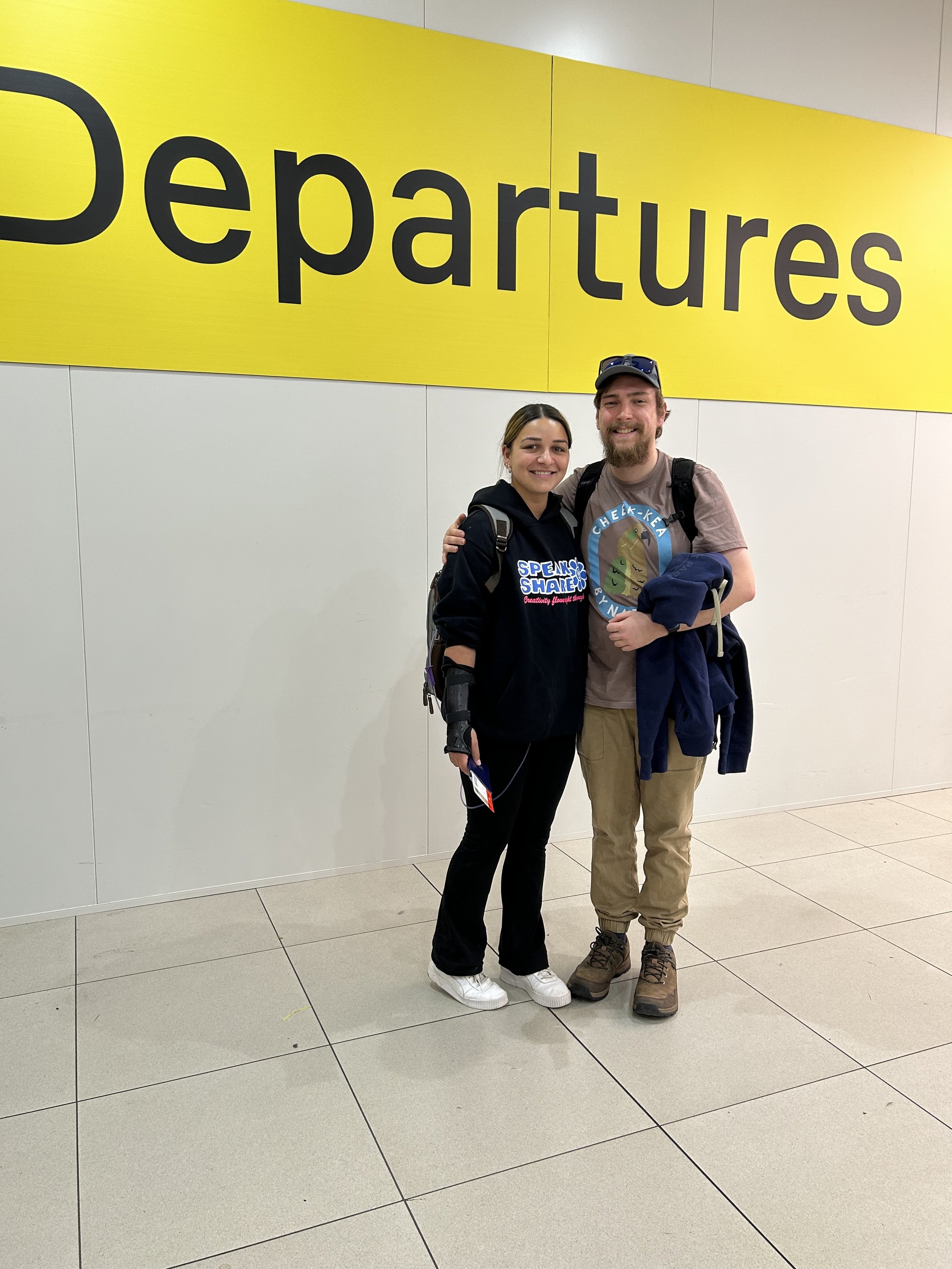
Hannah and Josh, all set for take-off
At the airport, a Jetstar staff member saved the day by honouring a promised fee waiver for Hannah’s medical baggage and personally escorting her through airport security so she didn’t have to disconnect her line.
“I would have had so many roadblocks without her,” Hannah recalls.
Once in New Zealand, Hannah’s tube-feeds and IV fluids covered her nutrition and hydration, allowing her to kayak at Milford Sound and, in Queenstown, frolic in the snow and plummet off a cliff in an upright “drop swing” bungee jump – a version adapted for her POTS.
“I was an adrenaline junkie before I got sick,” she laughs. “Telling me not to do stuff like that, you won’t win.”
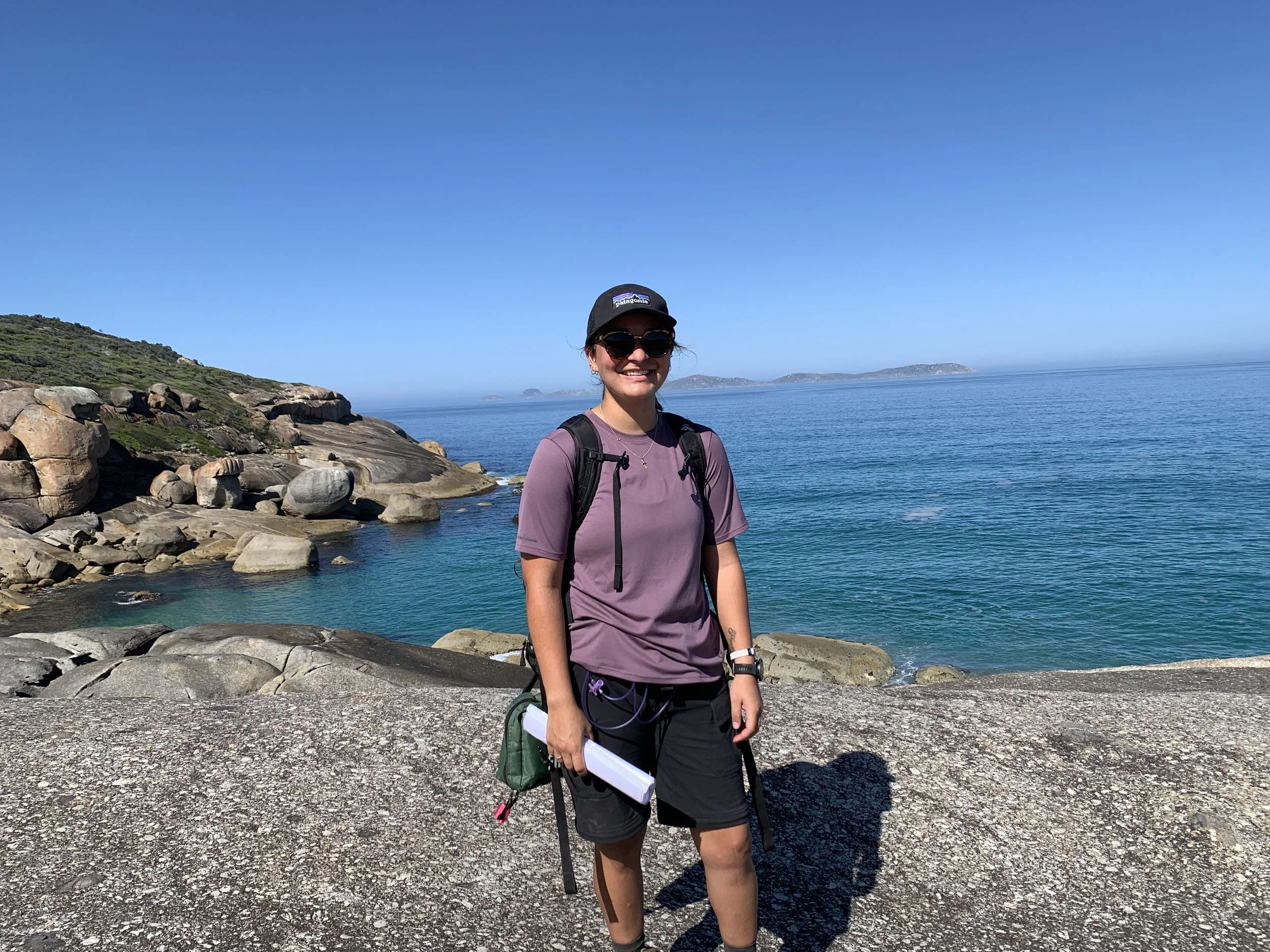
To any young person who is newly navigating tubes, feeling they might never travel again, Hannah says:
“There’s definitely an aspect of not being able to do it the way you used to, and you have to grieve that. But it’s not all or nothing. You still get something – and it’s so important to try for something – even if it’s not the freedom you used to have.”
“Just do it”
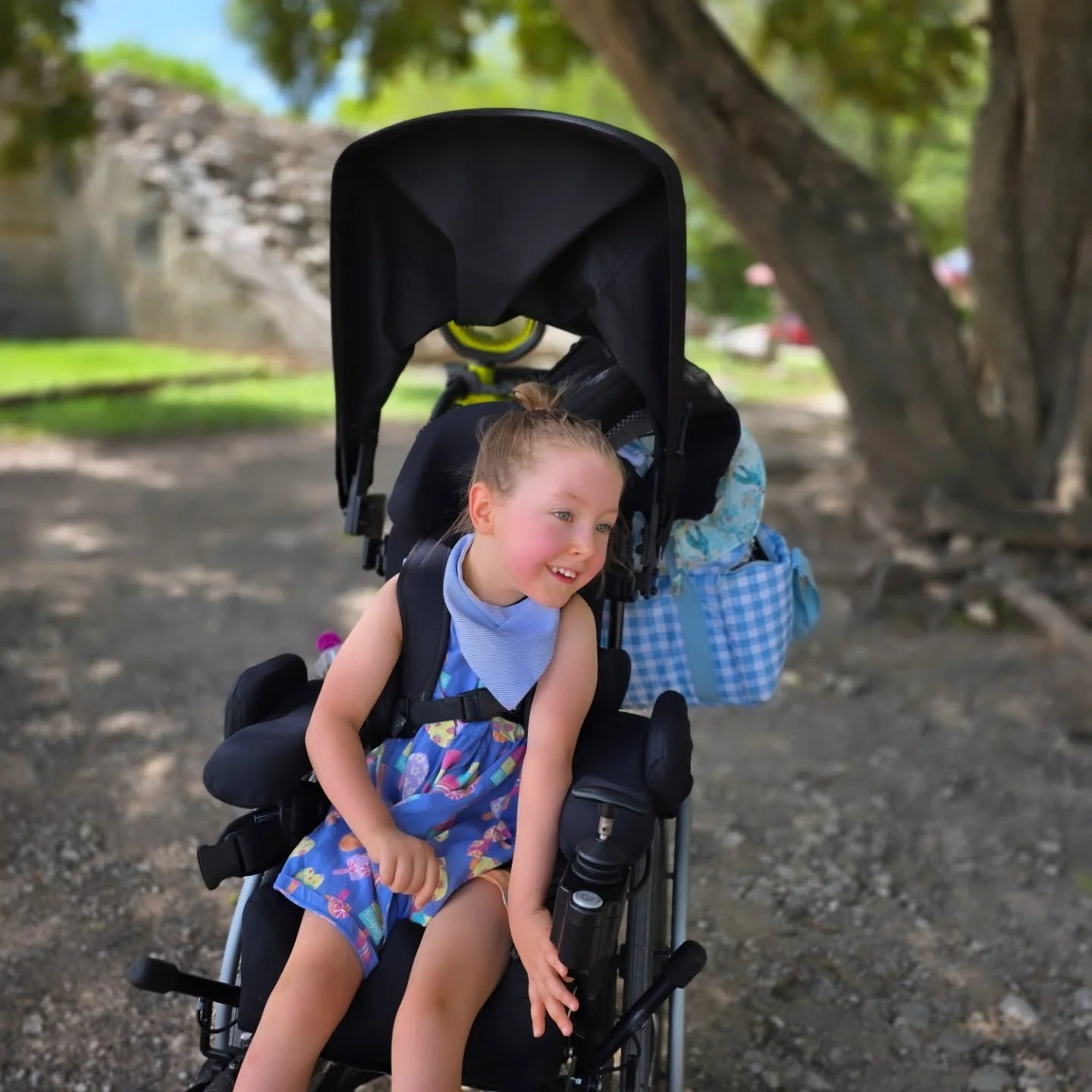
Adeline in Chichén Itzá, Mexico
Not long before we spoke with her mother, five-year-old Adeline was admiring one of the Seven Wonders of the World, the El Castillo pyramid in the ancient Maya city of Chichén Itzá in Mexico, where she also swam through a string of three cenotes.
“The water was just like blue as blue – it was very cool,” says Adeline’s mum, Lauren, from their home in Melbourne. “She loved Mexico.”
Adeline has cerebral palsy and is fed an entirely blended real-food diet through her gastrostomy (G) tube – oats, banana, avocado, chia and peanut butter for breakfast, then combinations of meat, quinoa and vegetables through the day, all batch-prepped and frozen flat in bags for easy packing.
“We travel with a Ninja blender no matter what,” Lauren says, describing how frozen portions of pre-made blends get blitzed with a splash of coconut milk or oil once thawed, to keep Adeline’s feeds smooth and calorie-dense.
Her food travels in a dedicated carry-on with a doctor’s letter, and the family checks in enough frozen, flat-packed meals to comfortably last the whole holiday, topping up with local produce once they land.
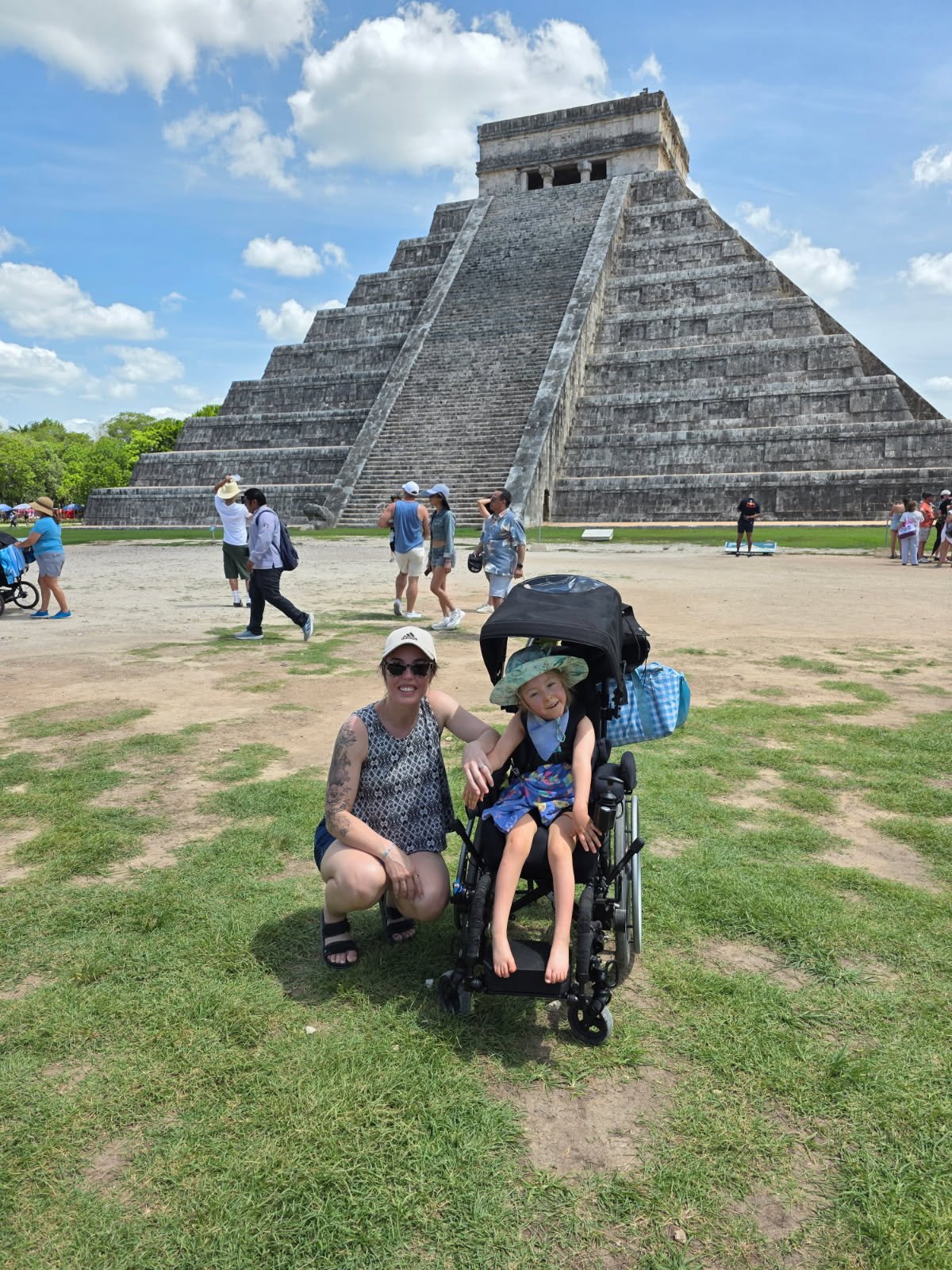
Adeline and Lauren at the El Castillo pyramid, Mexico
Alongside her partner Luke, Lauren – who’s a nurse and midwife – has taken her daughter to Thailand, several trips across the United States and most recently Mexico. These holidays are built around stem-cell treatments for Adeline that can only be accessed from international clinics. And so far, their adventures have been relatively drama-free.
Early trips saw pre-filled syringes leak mid-flight from cabin pressure changes, before Lauren learned to draw the plungers all the way back and cap every single one. But she says the wins far outweigh the mess.
“We’ve really never had any hiccups,” she says, crediting airport disability support services and talking to airline staff before taking off.
“We had one blunder where Adeline started getting sick, so I pre-pack vomit bags, because when you’ve got a tubie kid, they don't just spew, they really spew, don’t they?!”
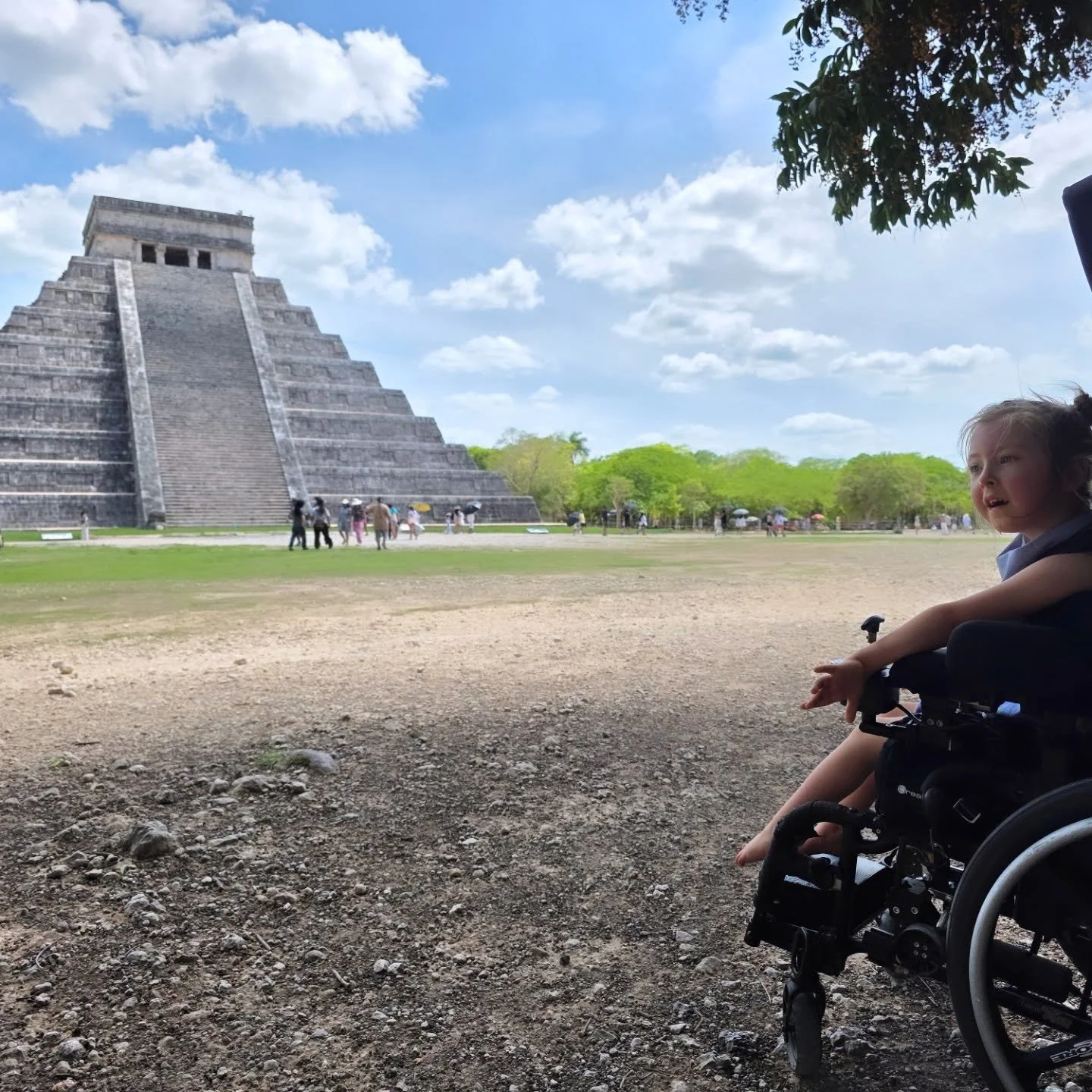
Adeline admires the El Castillo pyramid, Mexico
Excitingly, very soon, Adeline will have a baby sister. The family will fly as a foursome to their next destination, Dubai, later this year.
Lauren’s advice to medically complex families who’ve put travel in the too-hard basket is: “Just do it. Go with the flow, and whatever happens, happens. Most of the time, everyone is extremely helpful.”
This article is part of the Free To Go series, supported by Fresubin®. Discover Fresubin's range of nutritional supplements and learn more about nutritional support by visiting their website.
Fresubin is a Food for Special Medical Purposes, to be used under medical supervision.