
Tubie Talks: The Best Bits

That’s a wrap on season two, where Steph Kelly hooked us up with a whole lot of heart, hope and hard-won wisdom.
Well, that was quite a ride. Six weeks ago Tubie Talks returned with a new tagline, a new host and a fresh format. One that saw nurse and social media influencer Steph Kelly chatting with a cast of young people who, like her, are living fun and full lives with chronic illness, feeding tubes and total parenteral nutrition (TPN).
Speaking with old friends and new, Steph uncovered stories, advice and truth across a juicy range of topics, from dating and friendships to isolation, facing an uncertain future and sticking up for yourself.
Tune into the full season from your favourite podcast platform. And for now, here’s just a sample of what you can expect:
Coady Gillis on Self-advocacy
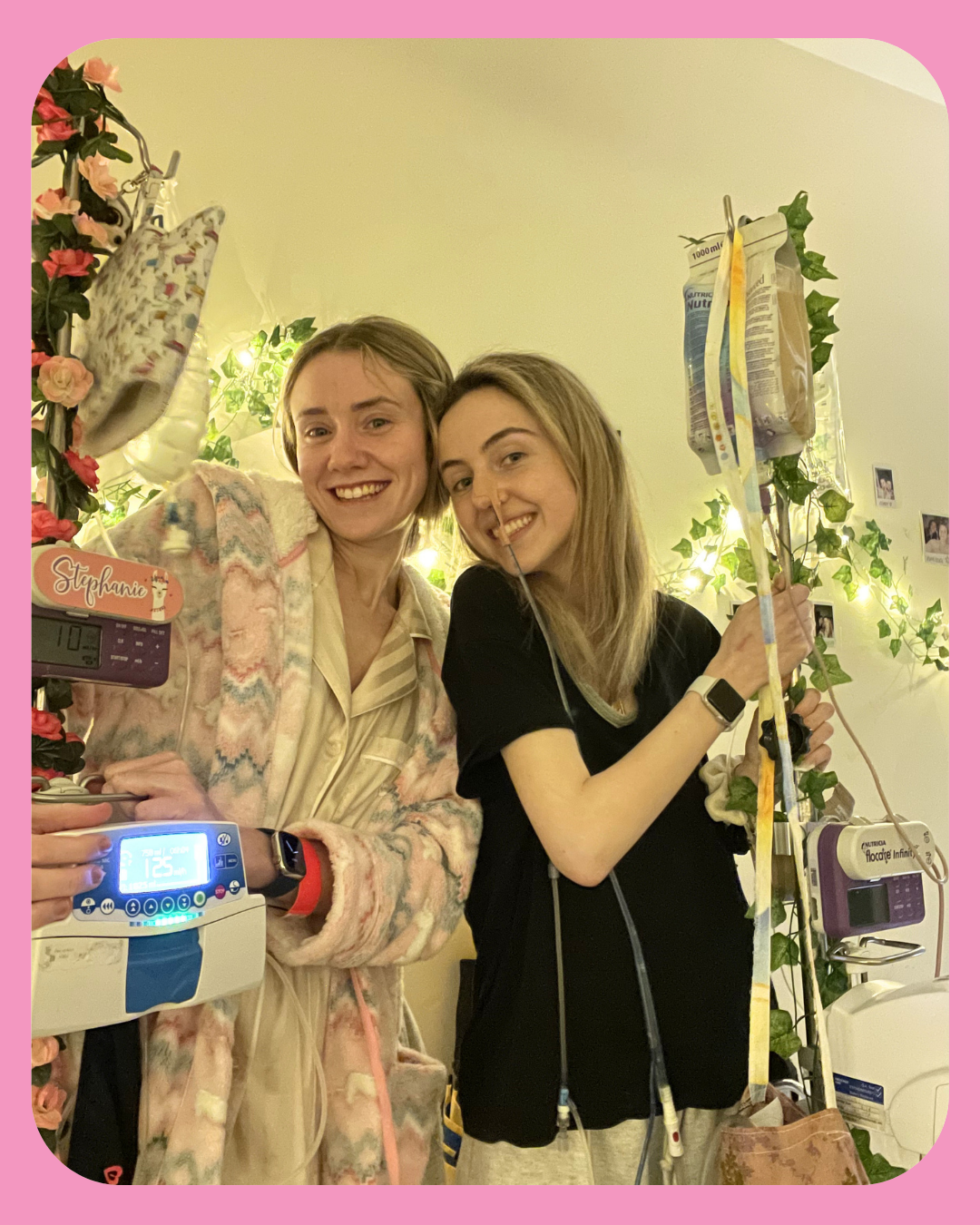
Steph Kelly and Coady Gillis
“It’s hard, because advocacy comes with risk. Sometimes it pays off. Sometimes people listen to you and you get responses that actually lead to positive improvements in care. And other times, advocacy results in you being classed as ‘difficult’ or ‘not compliant’ or ‘too hard’.
“My biggest piece of advice would be to be as involved as possible… You could write down on a piece of paper some things that you would like discussed when [the doctors] have their meetings. I would also say, find safe people. If there’s a nurse there that feels safe to you, you can literally buzz when the doctors come around and just say to that nurse, ‘hey, could you just come in to just be in here to listen?’
“I don’t think a patient saying ‘I want to be involved in the conversations about my care’ is an unreasonable request at all. For example, nursing handovers. If I'm in hospital, I always say, I would like the handover to be at my bedside… It’s your health, it’s your life, it’s your story, you’re allowed to be involved in it.”
Amelia Tang on Body Image
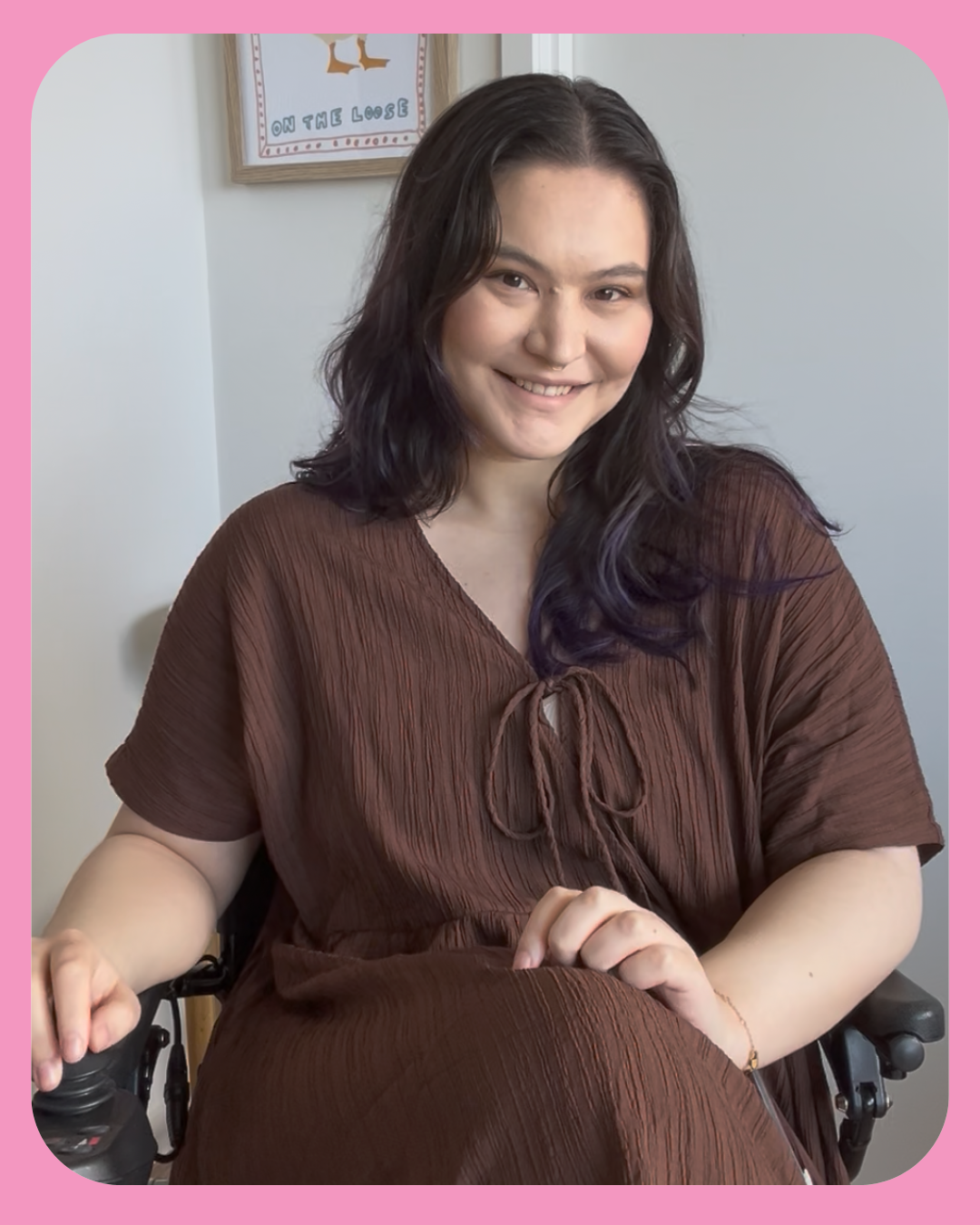
Amelia Tang
“The only thing you can do when you have constant fluctuations with your weight, your health, and all of that is just accept that this is the way it is right now. It’s not always going to be this way. I’m not always going to be on steroids. Eventually, my face puffiness will go back down.
“Yes, it’s very confronting to look at my face from only two, three years ago and see how different it looks, but our body is always changing. You cannot have the same body you had five or 10 years ago – or in the future. Like, we always slightly fluctuate, and that’s just a normal human thing, you know? And to try and control exactly how you look all the time, I don’t know that that’s always coming from a healthy state of mind.”
Lilly Downs on Missed Milestones
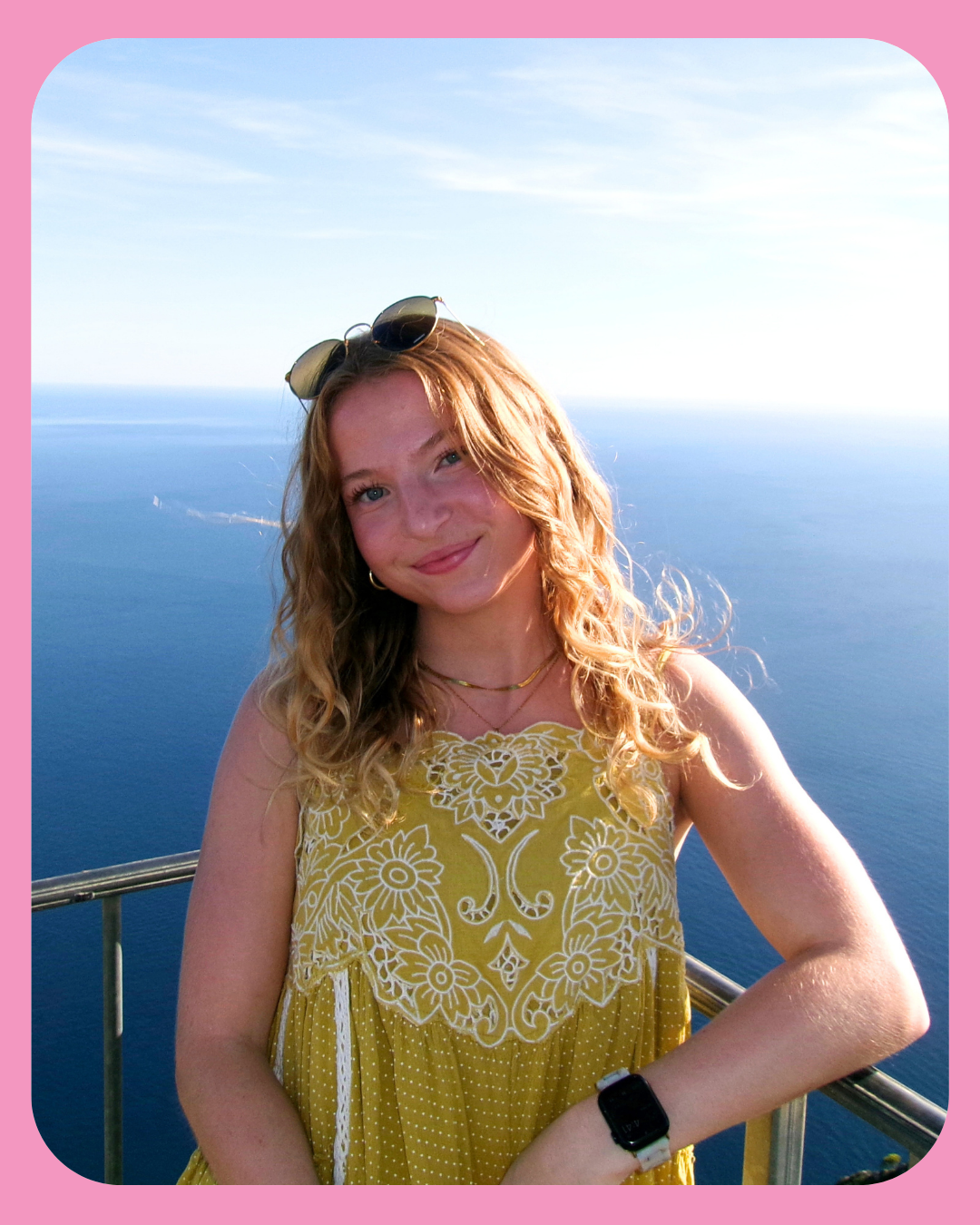
Lilly Downs
“So he asked me to prom. I went shopping for my dress and everything. I was so excited, and then the week of prom – prom was on a Saturday – I ended up in the hospital with a fever. I was pretty sick, but blood cultures kept coming back negative, and so [my medical team was] like, ‘we’re gonna get you home for prom, it’s gonna happen!’ and then it just went way downhill from there.
“I ended up in the ICU… so they were like, ‘yeah, you're not going to prom’. But my dress was hanging in my room. There’s a picture of it, and it’s really sad. There is [another] story I remember of that day, though, where I wanted Cheerios, so bad. I loved plain Cheerios, I‘d eat them all the time. And so I asked my nurse for them, and the whole hospital was out of Cheerios. And so she literally DoorDashed Cheerios to the hospital because she was like, ‘I can't let another thing go wrong for you.’”
Freya Steindl on travel
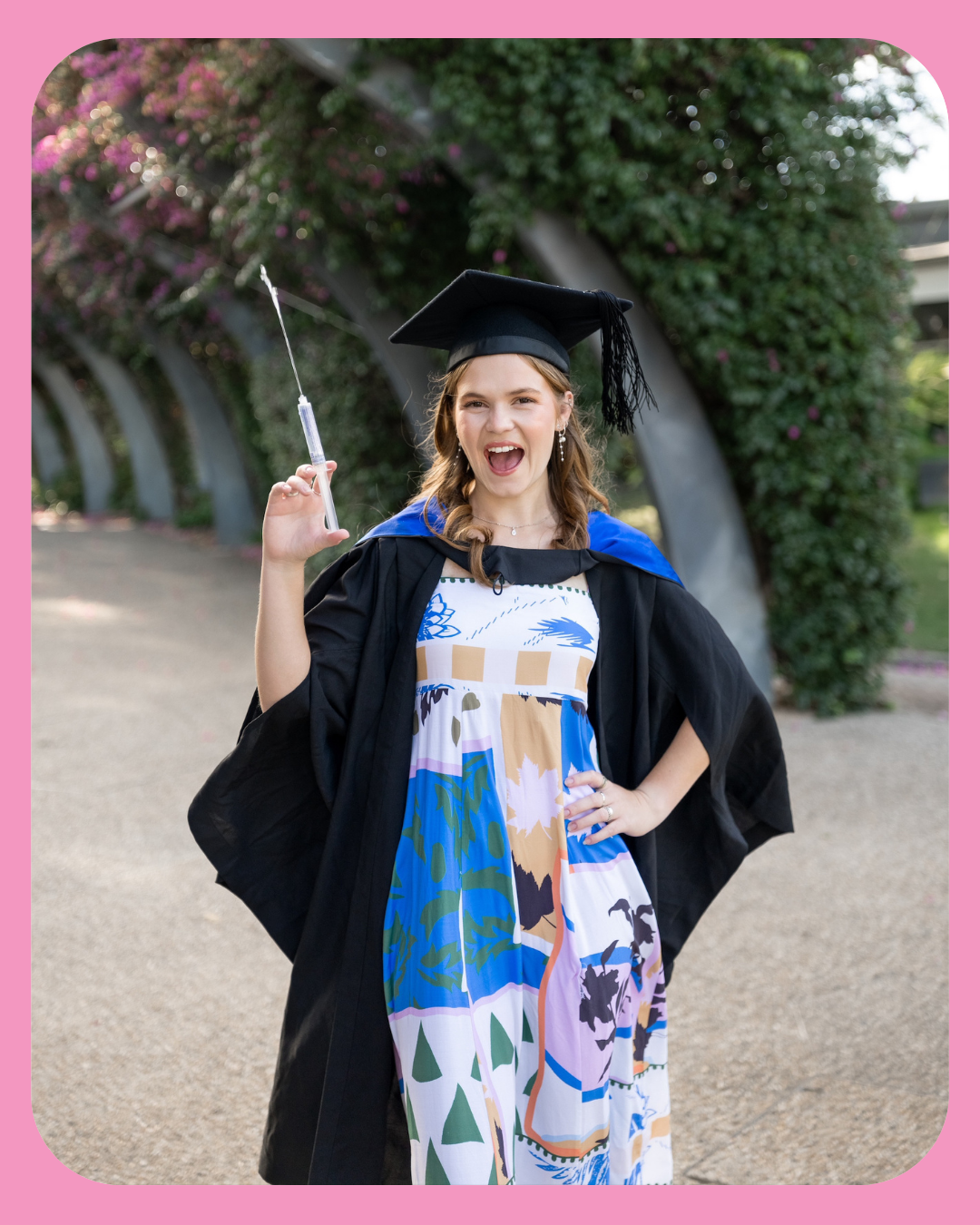
Freya Steindl
“My mum is a massive traveller and obviously, having me, she was like, ‘okay, well, what do we have to do to make this work?’ I had my first overseas trip when I was maybe seven – and since then we kept travelling.
“It was definitely like one of those things [where] you put your mind to it and you just make it work. I think anything can be done if it’s organised early, and then also just thinking outside of the box. I know there’s lots of good Facebook groups, as well, for travellers with feeding tubes and central lines, and I always travel with a comprehensive letter from my doctor explaining exactly what I have in my bag and why I need it.
“Then there’s also just a matter of being assertive and being like, ‘no, this is what I need’. And I’ll pull out, ‘is this how you treat your disabled customers?’ kind of thing. Just being assertive, being organised and being determined, as well. I hope that if people see that I can do it, then other people know that they can too.”
Lily-Rose Burnell on mental health
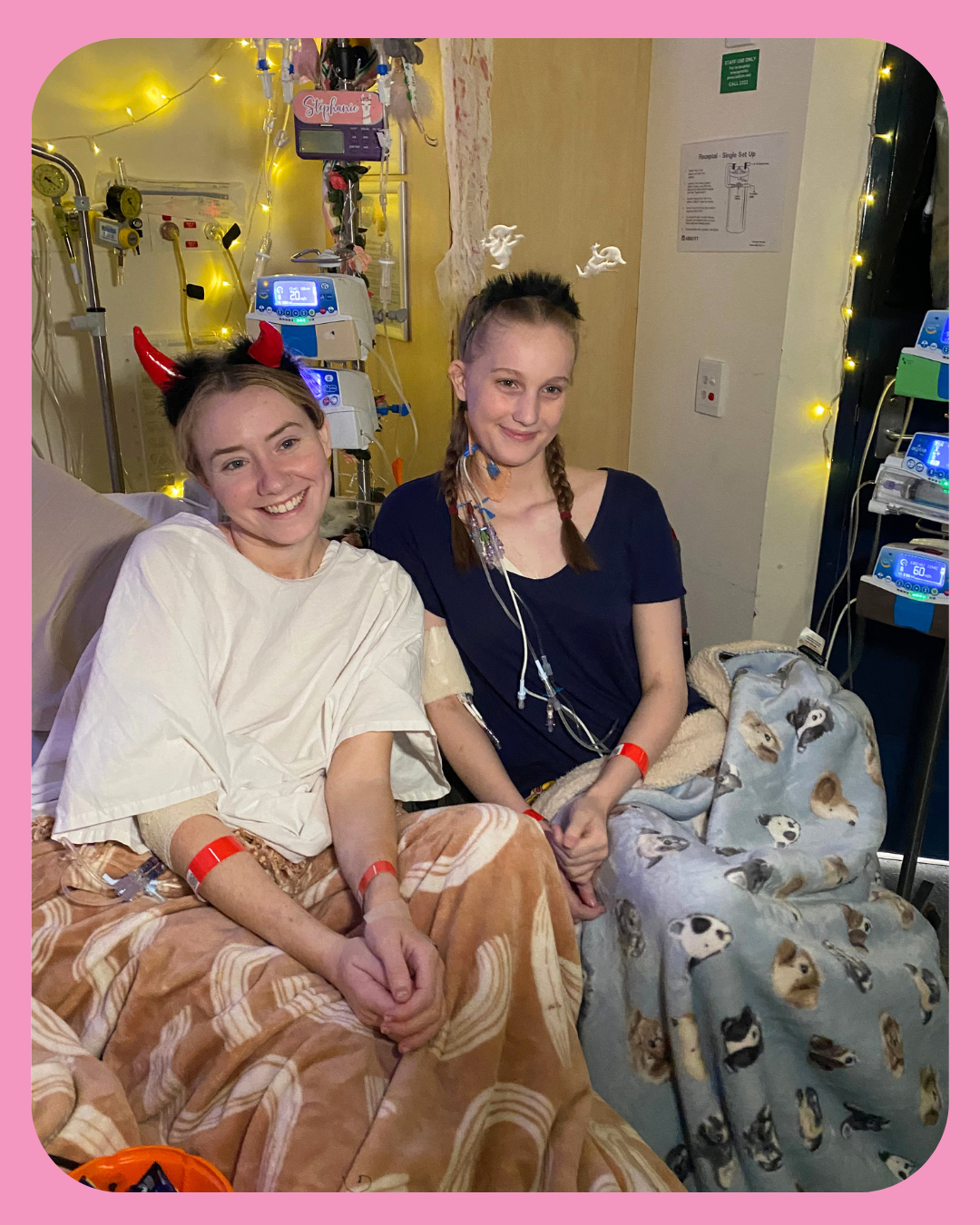
Steph Kelly and Lily-Rose Burnell
“You work so hard to get to a good spot and then, in a split second, everything is taken back from you. And in the last couple of years, that has been a recurring thing, like every few months, so I never really got time to spend in a healthy state. That really mentally got to me because I was just in hospitals, the same four walls. What also mentally gets to me is visitors. They can come and go as they want, but you’re literally stuck in those four walls.
“My mental health has been really not great. I’ve got complex PTSD, and when they place the DIVA [difficult intravenous access cannulas], they put like a big bluey [waterproof bed pad] over you. That’s one of my triggers, from when they were placing a central line into my neck, so even just those small things trigger trauma response. And when my trauma response is triggered, my mental health just goes; it just plummets.
“But even when I’m really, really unwell, if I’ve got a concert coming up, or if family’s coming over to visit, I’ve got something to look forward to. Even if it’s so small, I just have to have something to look forward to.”
Haley Stewart on hope
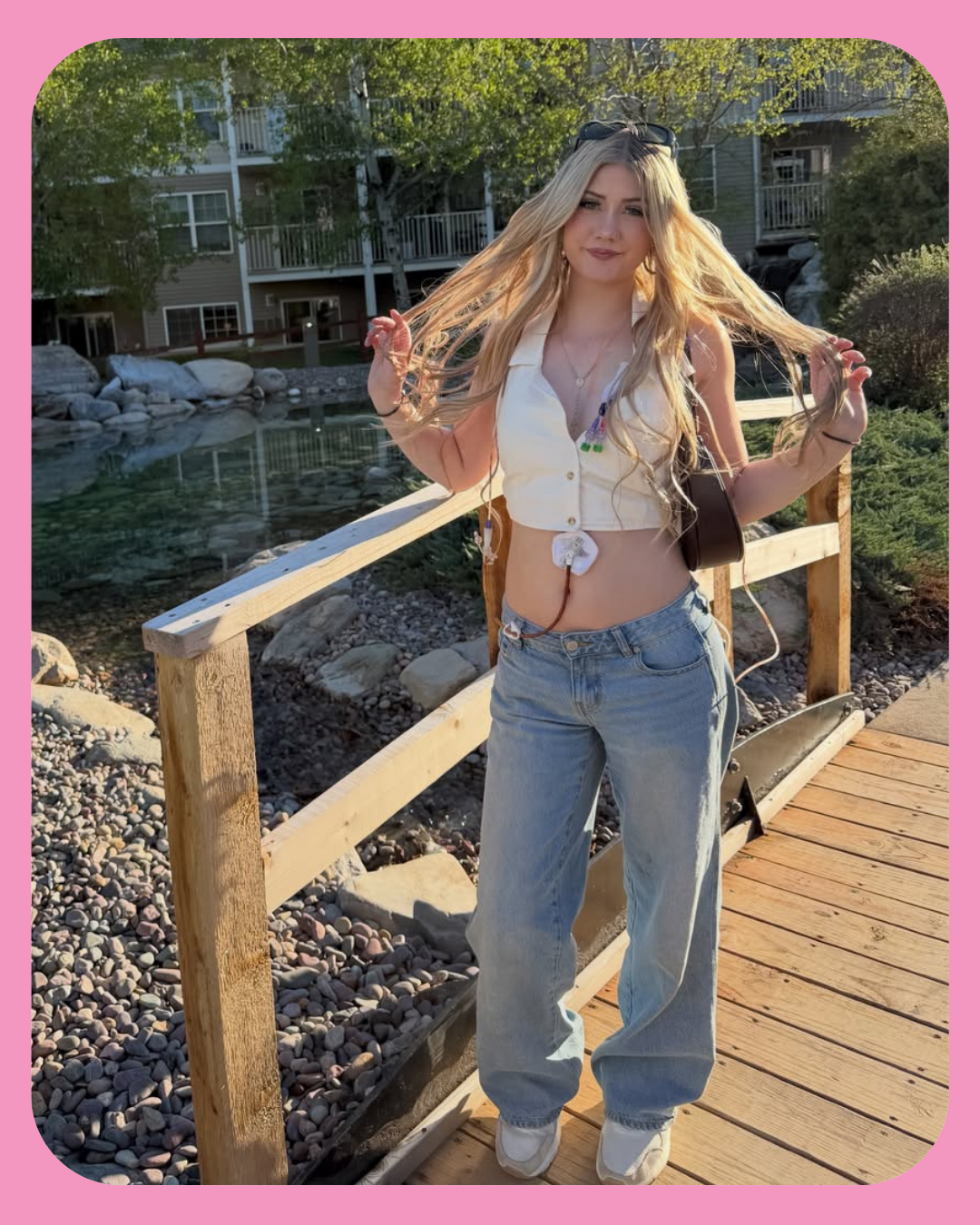
Haley Stewart
“[My friend] was only 25 when she passed, she was so young. You never know when your time is, and when you’re going to go... So just live your life, and be grateful for every little moment, every little detail.
“Feel the rain on your skin, feel the wind against your hair. Go watch that sunset, go watch the sunrise, go feel the sand beneath your toes, just be present every day, and just be glad that you are here, despite everything you are going through.
“Yes, you can sulk. You can have times where you’re upset and you’re mad at the world, but there’s so much to be thankful for. You can just be grateful that you have breath in your lungs, and that you got to wake up one other day.”
Tubie Talks: Hooked Up is proudly supported by Medicina, supplier of the GFit Low Profile Gastrostomy Button and a range of enteral feeding devices.