
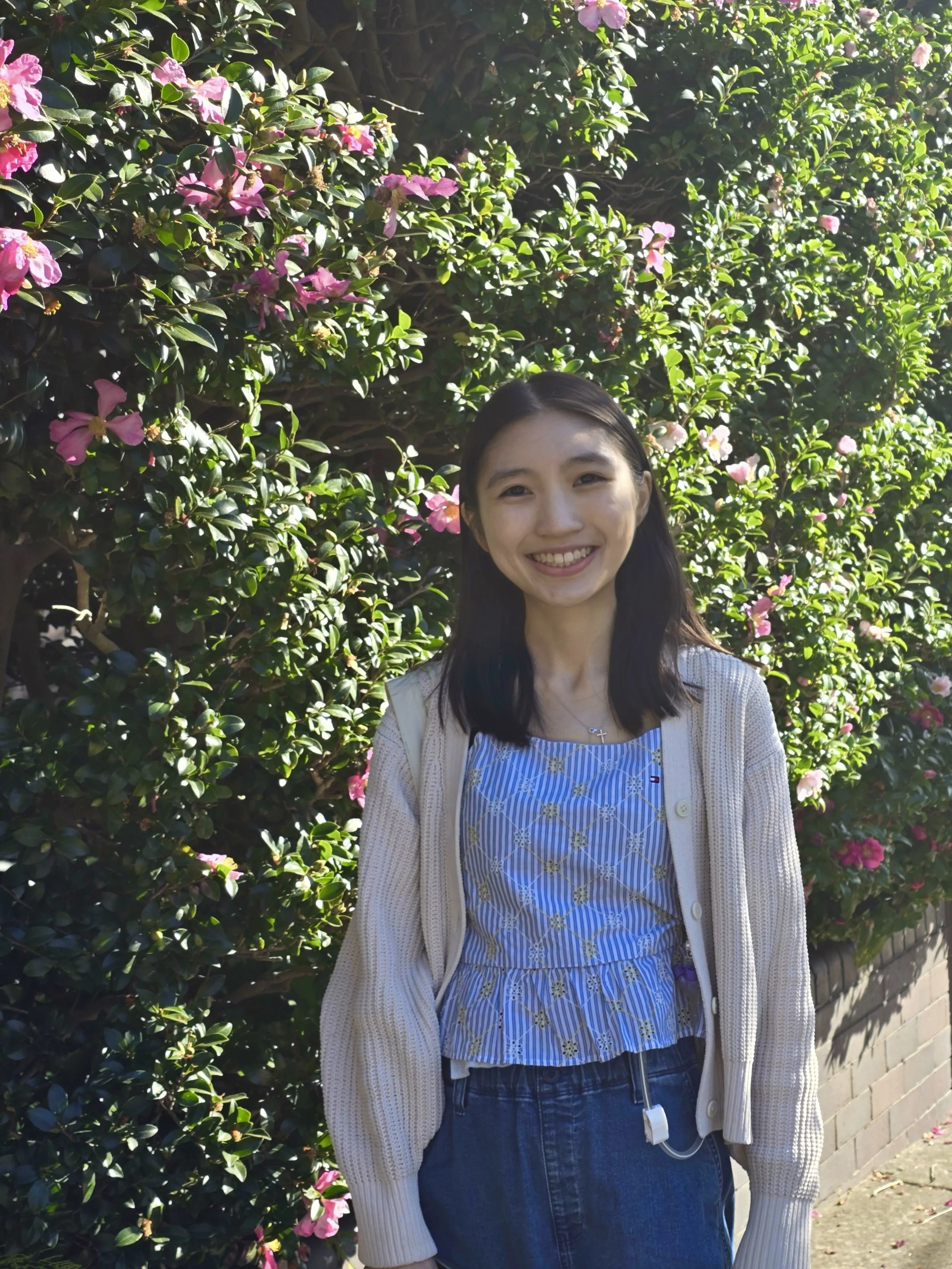
She spent half her life searching for answers. Now she’s determined to help others find theirs.
Some people are drawn to medicine. Zi Ting Tan was born into it. Based in Sydney, the twenty-something Singaporean-born trainee doctor has lived with complex chronic illness since she was six months old. She navigates her conditions, Ehlers-Danlos syndrome and small fibre polyneuropathy, with the help of her gastrostomy (G) tube, ‘Kinoko’ – Japanese for mushroom – and ‘Minnie’, her MIC-KEY cecostomy button. Here, Zi Ting shares what the system gets right, what it gets wrong, and what it really means to sit on both sides of the consultation room.
How has living away from home shaped your experience of managing your health?
The transition from Singapore to Sydney was a leap of faith. I was really excited and grateful to be able to study medicine, but I was also anxious about moving abroad alone. Prior to this I had never lived away from my family. I rarely travelled overseas because my condition made it too difficult. I didn’t know how I was going to find a medical team in Sydney capable of managing my condition, or how to navigate the health system.
Before coming to Sydney I reached out to a couple of doctors and was really blessed to meet a kind surgeon who was willing to manage my condition. I was unable to find other specialists aware of my condition – I was managed by neurology, cardiology, gastroenterology, and surgical teams in Singapore – and have struggled to build a multidisciplinary team here.
Thankfully, with the tube placements done by my surgeon in Sydney, I’ve been able to self-manage my condition most of the time, and things have gotten much better with the tubes.
The transition definitely made me more independent in my health management. I became much more aware of the challenges of being a patient without the support of family and friends. The stress of finances, time management, access to care, balancing it all with med school and independently living abroad... it all dawned on me suddenly.
However, this experience gave me better insight and perspective to care for my patients holistically, as a med student, while also teaching me to advocate for my own health.
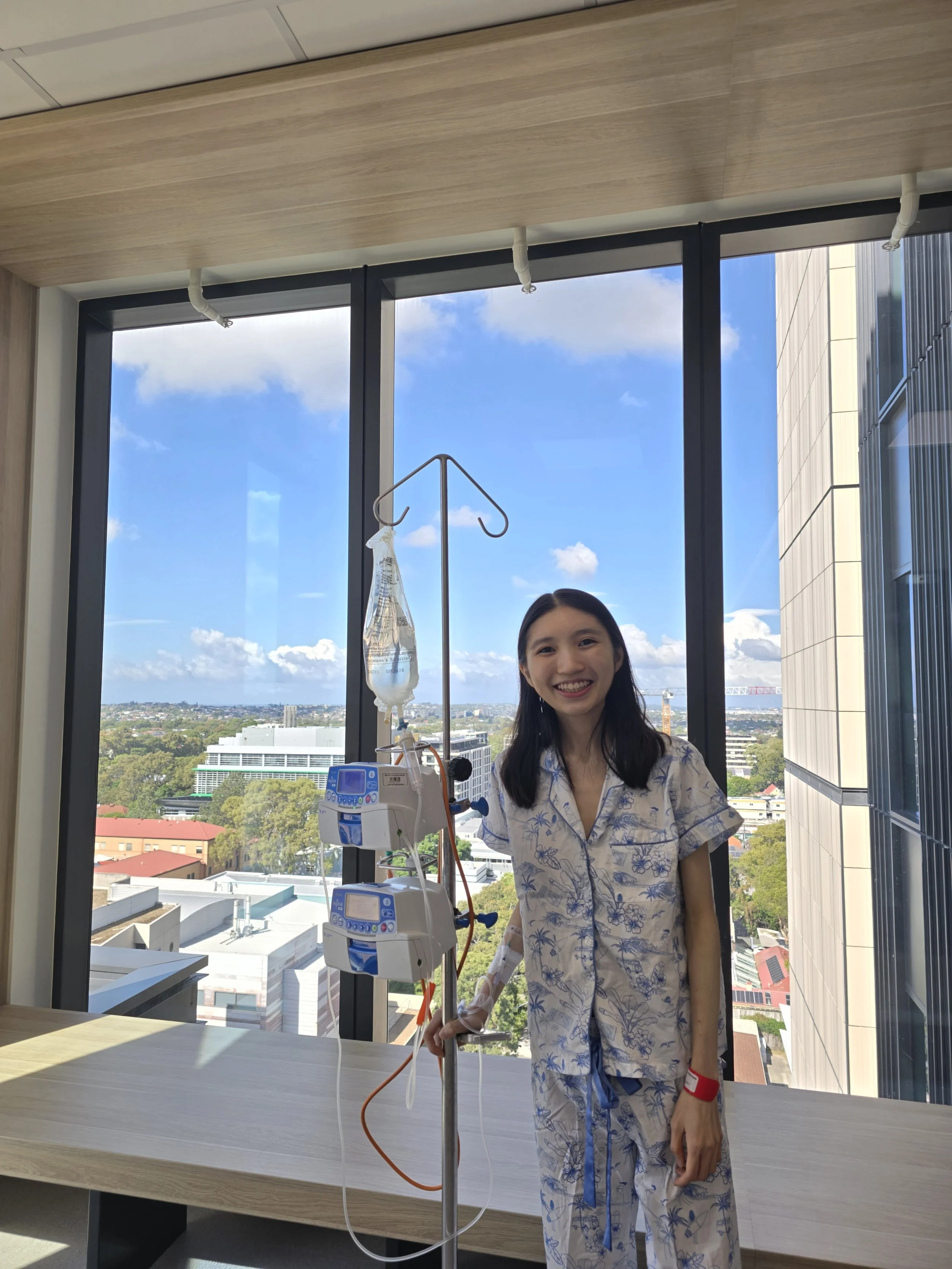
You were diagnosed with severe gastrointestinal dysmotility as a baby. What do you know about the earliest years of your illness?
I’ve had recurrent ileus and intestinal obstructions since six months old. Growing up, meal-times were always very stressful. I would spend hours at the table, crying over meals that my parents forced me to finish before I could leave the dining table. I often vomited after meals. At that point, my parents were unaware that eating caused me such debilitating symptoms.
Between the ages of 13-18 my condition worsened and I was getting episodes of pseudoobstructions that would cause high fevers, severe pain and vomiting. I missed lots of school and didn’t have much of a social life.
You went through an 18-year diagnostic odyssey before receiving your Ehlers-Danlos syndrome and small fibre polyneuropathy diagnoses at 19. What did those years of searching for answers look like – and how did you feel when you finally got a diagnosis?
I did lots of research on my own. I knew not to trust doctor Google, but no doctor could connect the issues for me. I made symptom logs and was on PubMed a lot in the year after I graduated from high school. I was referred to and from various specialties. As a patient under the public system, I read of doctors who dealt with complex cases but couldn’t afford to see them.
Fortunately, I met a gastroenterologist who was willing to work with me to get to the bottom of my conditions. He listened and referred me on to a rheumatologist, geneticist and neurologist and, from there, I got the appropriate testing which finally brought closure to my diagnostic odyssey.
Getting a diagnosis was comforting. I was finally heard and seen by the medical system. I wasn’t just seen as a bunch of symptoms anymore, but a person they had to treat holistically. My specialists finally started to work together and I wasn’t the one who had to coordinate my own care and facilitate interdisciplinary communication. Getting a diagnosis also helped me to understand and explain my condition better.
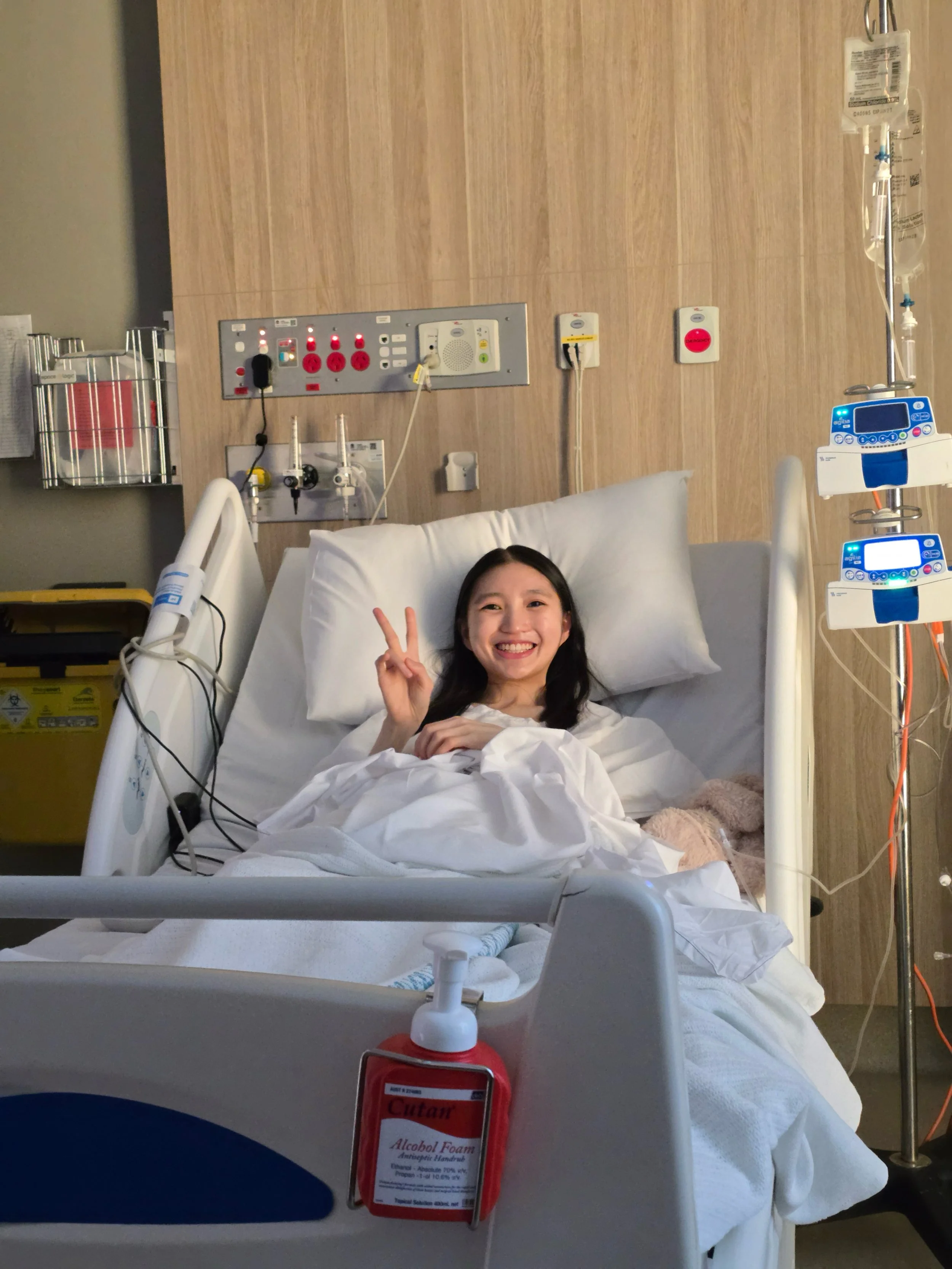
You have both a G-tube and a cecostomy tube. Can you explain what each of these does for you, and how they help you manage your conditions day to day?
I’ve had the cecostomy tube for three years. It was first brought up by my paediatric gastroenterologist when I was 10. She had raised my case in a conference she attended in the UK and the experts there suggested that I get a cecostomy placed. However, there was no one to do it in Singapore back then. The surgeon I met in Sydney has had much experience with this and was able to place this tube for me.
Because of my severe GI [gastrointestinal] dysmotility, my colonic transit is markedly delayed. I’ve been on high-dose daily bowel prep regimes since I was six, and that had gotten titrated up to such a large volume that I became unable to tolerate them orally.
The next option given to me for my colonic dysmotility was a colectomy [a surgical procedure to remove all or part of the large intestine]. I didn’t want something irreversible done so early on, so I had proposed to put in a cecostomy to trial and, thankfully, it has changed my life for the better!
The G-tube was placed due to my delayed gastric emptying which worsens during ileus episodes. I had a GES [gastric emptying scan] done during an ileus and it showed 94 percent retention at four hours postprandial. I had to be admitted for nasogastric tube decompression during these episodes. The G-tube aims to reduce the need for these admissions. It allows me to manage ileus on my own and reduce the disruption it has to my life and routine.
How do you feel about your tubes now? Has your relationship with them changed over time?
My tubes have given me my life back. There have been some issues with granulation tissue, herniation and severe peristomal leakage, and I’ve had to have some surgical revisions for my cecostomy, but it has given me the opportunity to live life normally.
During my recent tube revision surgery, there were complications and there was a risk of losing one or both of my tubes. I was really worried because these tubes have been life-giving for me.
All in all, I am thankful for my tubes. They even have names now. My G-tube is called Kinoko, which is Japanese for mushroom, and my cecostomy is called Minnie, because it’s a MIC-KEY button.
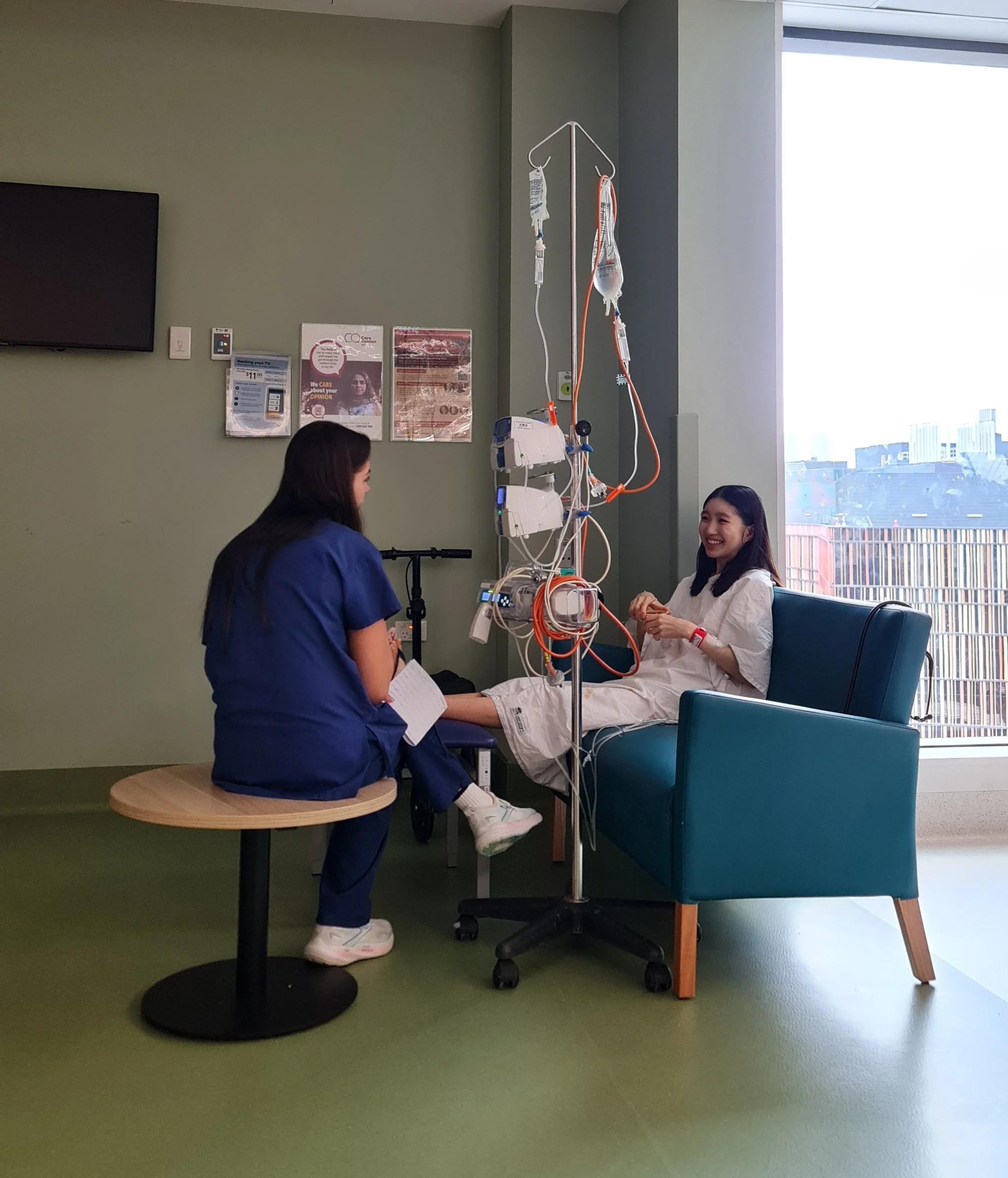
Social life is such a big part of the uni experience – how do you navigate socialising, going out, and having fun as a student when managing your health and your tubes?
My social life looks quite different from others. I’ve made many friends with people in the hospital, including volunteers and my colleagues. I often stay behind after classes to catch up with my friends. I also get to see and spend time with my college friends while working as a senior academic tutor.
I really love spending time doing accessible activities with my friends after church on the weekends. I’ve learned to integrate my social life into my non-negotiables, as well as my commitments and responsibilities.
You’ve just come out of a tube revision surgery which led to a bowel perforation and sepsis – which is scary to say the least. How are you feeling, and how do you reflect on experiences like this one?
I was quite shaken and reminded of the fragility of life. However, I’m feeling really grateful. I was surrounded by the best people I could ask for during this experience and a medical team that really cared for me. Amid the anxiety and fear, there was lots of comfort and love.
When I look back on experiences like these, I am reminded constantly of how my illness has given me more than it has taken from me. From perspective and insight that guide me to care for my patients better, to a conviction to keep humanity and compassion at the forefront of my future clinical practice, to resilience, I can see how these experiences have shaped me as a person.
I take time to sit down and reflect on experiences like these. I spend hours journalling and pouring my thoughts out after I recover physically from big experiences like these.
Being a fifth-year medical student while living with complex chronic illness is a remarkable combination. How do your personal health experiences shape the way you approach medicine and your future patients?
My personal health experiences have shaped the way that I see patients. I see the person before the diagnosis. I see the person carrying a full life together with the weight of their condition. It has also made me more mindful of how I listen and show up for patients. It’s made me aware that every person’s story is different, and I make every effort to hear these stories and approach care with an awareness of what matters most to my patients.
It has also made me more sensitive to the unspoken struggles of those living with chronic illness. I make it a point to not assume knowledge of my patients’ perspectives and priorities of care.
Do you feel that the medical community – including medical education – truly understands conditions like yours? What do you wish doctors knew?
There’s growing awareness, but the gap between clinical knowledge and lived experience still remains. I wish there was more emphasis on continuity of care and validation of patient experiences. I wish that doctors knew how much it means to feel heard and to be seen beneath the weight of the diagnosis.
I wish doctors knew the power of compassion – that the comfort that can be given far transcends where science may be limited in terms of cure and treatment.
What do you hope people take away from hearing your story?
I hope people see that illness doesn’t limit or define a person’s capacity. I’ve seen how my illness has shown up in strengths I never knew I had and lives I’ve touched. Beyond the immediate pain and struggle, these journeys often bring so much more than they take away. We can only see this when we create inclusive and equitable environments for people with chronic illness.
I hope my story helps others feel less alone, and reminds them that their illness doesn’t disqualify them from the life they are called to live.